
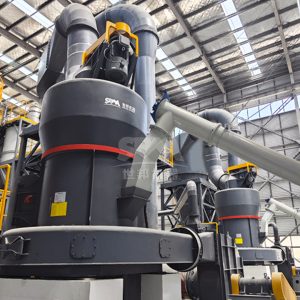
Introduction The steel industry relies heavily on petroleum coke (petcoke) as a cost-effective carbon source and fuel in various production processes. Proper grinding of petcoke is essential for achieving optimal combustion efficiency, reducing emissions, and maintaining consistent product quality in steel manufacturing. Selecting the right grinding mill requires careful consideration of material properties, production requirements, […]
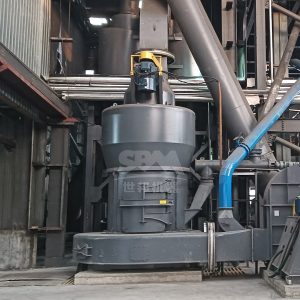
Graphite Roller Mill: Efficient Grinding for EV Battery Anode Production The rapid expansion of the electric vehicle (EV) market has created unprecedented demand for high-performance battery materials, particularly graphite anodes. The quality of graphite powder used in anode production directly impacts battery capacity, charging speed, and cycle life. Among various grinding technologies, roller mill systems […]
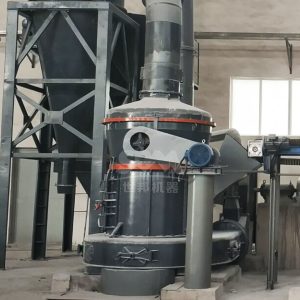
Introduction to Flue Gas Desulfurization in Steel Production The steel manufacturing industry faces increasing environmental regulations worldwide, particularly concerning sulfur dioxide (SO₂) emissions. Flue Gas Desulfurization (FGD) has emerged as the most effective technology for controlling these emissions, with limestone-based wet FGD systems representing over 80% of installed capacity globally. The efficiency of this process […]
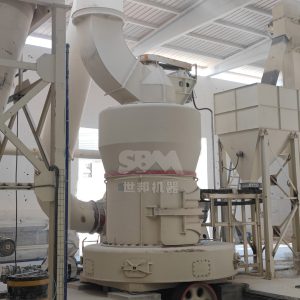
Introduction to Barite in Plastic Applications Barite (barium sulfate) has emerged as a critical functional filler and reinforcement agent in the plastics industry due to its unique combination of properties. With high density, chemical inertness, and excellent dispersion characteristics, barite powder significantly enhances plastic products’ mechanical strength, dimensional stability, and surface finish. The effectiveness of […]
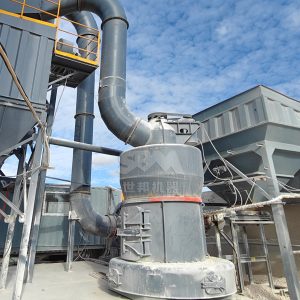
Introduction to Kaolin Processing Kaolin, also known as china clay, is a versatile industrial mineral with extensive applications in pigments, fillers, ceramics, paper coating, and rubber industries. The quality of kaolin products heavily depends on the grinding technology employed, which determines particle size distribution, brightness, and purity. Modern kaolin processing requires advanced grinding mills capable […]
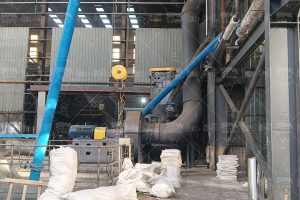
Introduction The selection of an appropriate pulverizing mill for carbon black processing is crucial for achieving optimal performance in conductive material applications. Carbon black, a fundamental material in batteries, plastics, rubber, and coatings, requires precise particle size distribution and consistent quality to ensure excellent electrical conductivity and mechanical properties. This comprehensive guide explores the key […]
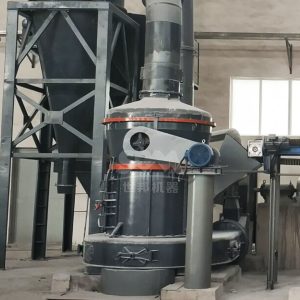
Introduction: The Critical Role of Gypsum Grinding in Wallboard Manufacturing The wallboard industry relies heavily on efficient gypsum processing to produce high-quality building materials. At the heart of this process lies gypsum grinding technology, which directly impacts product quality, production costs, and environmental compliance. Modern roller mills have revolutionized gypsum processing by offering superior efficiency, […]
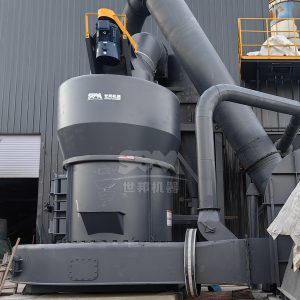
Introduction: The Critical Role of Bauxite Processing in Advanced Ceramics The manufacturing of high-performance precision ceramics represents one of the most technologically demanding applications in modern materials science. These advanced ceramics, used in applications ranging from medical implants to aerospace components and electronic substrates, require exceptional purity, controlled microstructure, and precise dimensional characteristics. At the […]
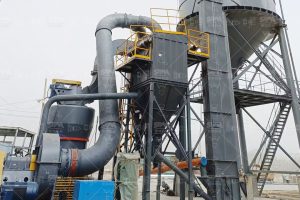
Introduction The selection of appropriate grinding equipment is crucial for producing high-performance talc fillers used in industries such as plastics, paints, ceramics, and cosmetics. Talc, a hydrated magnesium silicate mineral, requires precise particle size distribution and surface characteristics to function effectively as an industrial filler. This comprehensive guide explores the key factors to consider when […]