Titanium dioxide (TiO₂) and other titanium-based additives are critical components in the production of high-performance inks. These additives provide opacity, whiteness, UV resistance, and improved printability. To achieve the desired particle size, dispersion quality, and consistency in ink formulations, manufacturers must rely on advanced grinding and milling equipment. The selection of the right production machinery directly impacts the final ink quality, production efficiency, and operational costs.
This article explores the key machinery and processing solutions for producing titanium additives for inks, focusing on ultrafine grinding technologies, classification precision, and energy-efficient systems. We will examine the technical parameters, working principles, and advantages of different mill types, and recommend specific models that meet the stringent requirements of the ink industry.
The performance of titanium additives in inks is highly dependent on particle size and distribution. For most ink applications, titanium dioxide particles must be in the range of 0.2 to 0.4 micrometers (200-400 nm) to achieve optimal light scattering and opacity. Finer particles (<100 nm) can provide transparency and UV protection, while coarser particles (>1 μm) may cause settling, reduced gloss, and poor printability.
Therefore, the milling process must be capable of producing consistent, narrow-distribution powders with precise control over the final fineness. This is where advanced grinding mills, such as ultrafine vertical roller mills and high-efficiency classifier mills, become indispensable.
For high-end ink applications that require ultrafine titanium additives, mills capable of producing particle sizes down to 5 microns (2500 mesh) are essential. The SCM Series Ultrafine Mill and LUM Ultrafine Vertical Roller Mill are two premier solutions in this category.
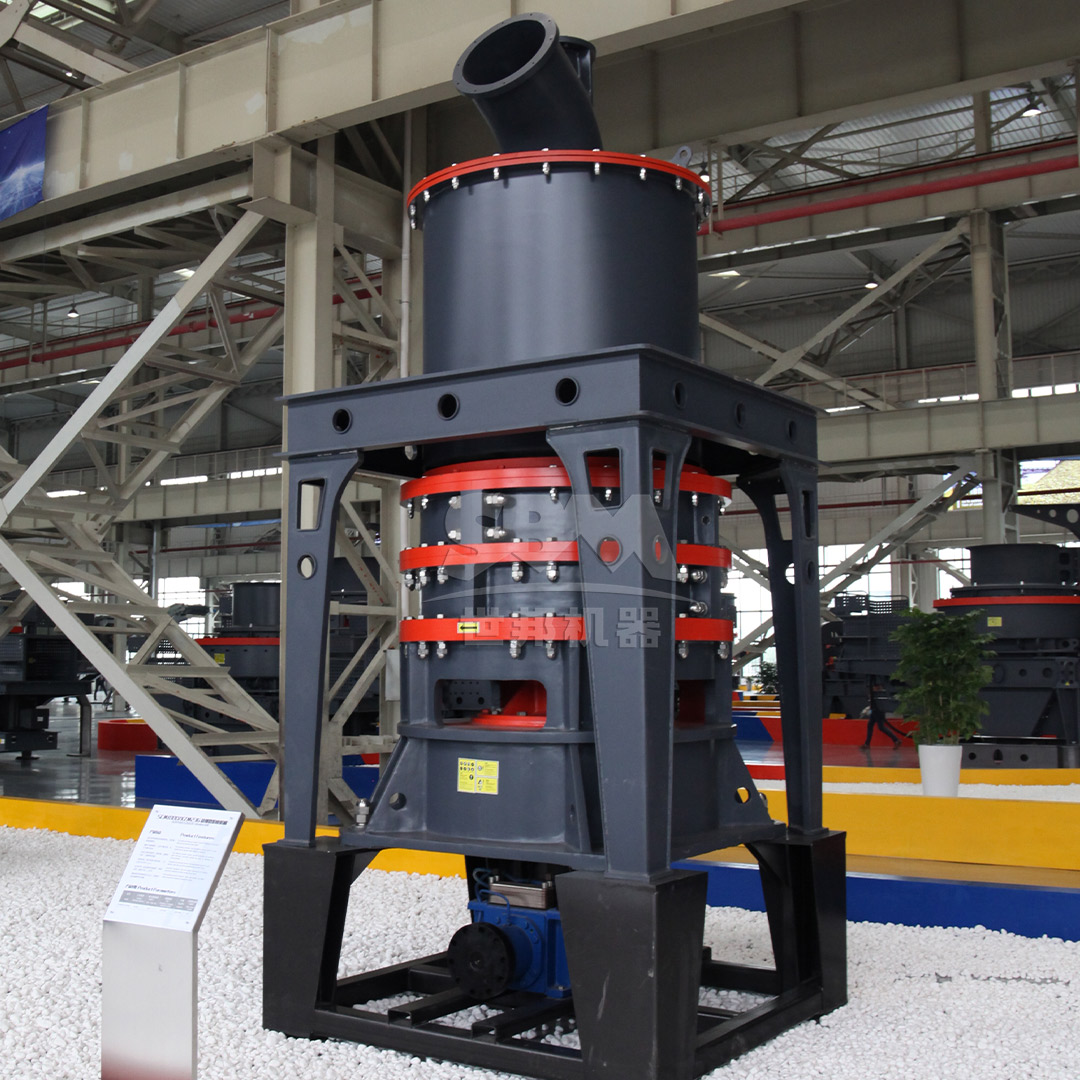
The SCM Series Ultrafine Mill operates with a main motor driving three layers of grinding rings to rotate. Materials are dispersed into the grinding path by centrifugal force, crushed by roller pressure, and ground layer by layer. The integrated vertical turbine classifier ensures precise particle size cutting with no coarse powder mixing. With an output fineness ranging from 325 to 2500 mesh (45-5μm), this mill is ideally suited for producing the finest titanium dioxide powders.
In terms of efficiency, the SCM Series offers twice the capacity of jet mills while consuming 30%% less energy. The intelligent control system automatically adjusts for finished product granularity feedback, ensuring consistent quality. Its durable design features special material rollers and rings that extend service life several times over, making it a cost-effective choice for continuous ink additive production.
Recommended Product: SCM Series Ultrafine Mill (45-5μm)
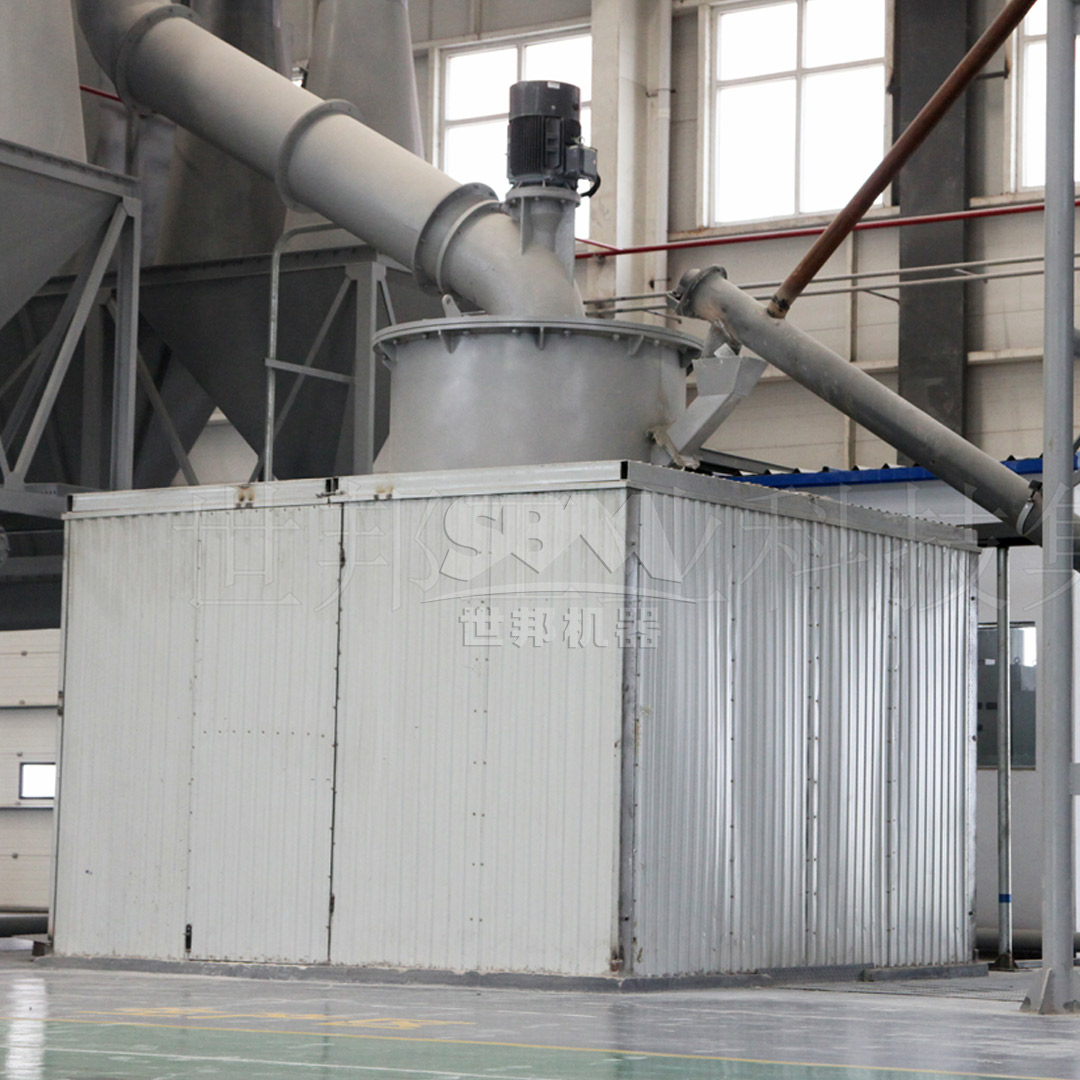
For applications demanding even greater capacity and finer control, the LUM Ultrafine Vertical Roller Mill is an excellent alternative. With its unique roller and liner curves, the LUM mill improves grinding efficiency significantly. The multi-rotor classifying technology ensures no coarse particles contaminate the final product, while the PLC automation system enables stable, unattended operation. The negative pressure design prevents dust leakage, making it an environmentally friendly choice for modern ink production facilities.
| Model | Main Power (kW) | Capacity (t/h) | Fineness (μm) |
|---|---|---|---|
| SCM800 | 75 | 0.5-4.5 | 5-45 |
| SCM900 | 90 | 0.8-6.5 | 5-45 |
| SCM1000 | 132 | 1.0-8.5 | 5-45 |
| SCM1250 | 185 | 2.5-14 | 5-45 |
| SCM1680 | 315 | 5.0-25 | 5-45 |
For titanium additives where a slightly coarser final product is acceptable, or for pre-grinding stages before ultrafine processing, mills like the MTW Series European Trapezium Mill and MTM Series Medium-speed Trapezium Mill are highly effective.
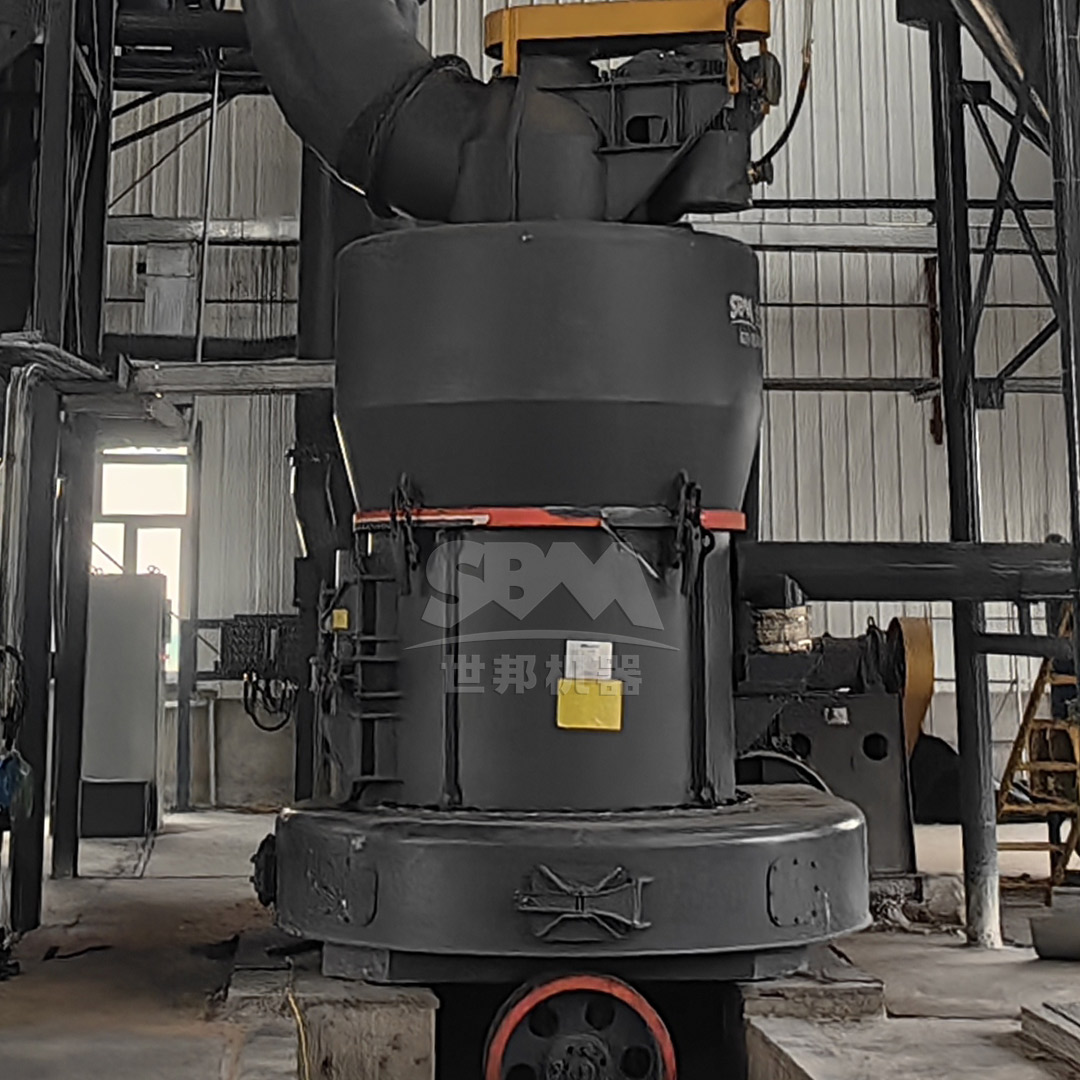
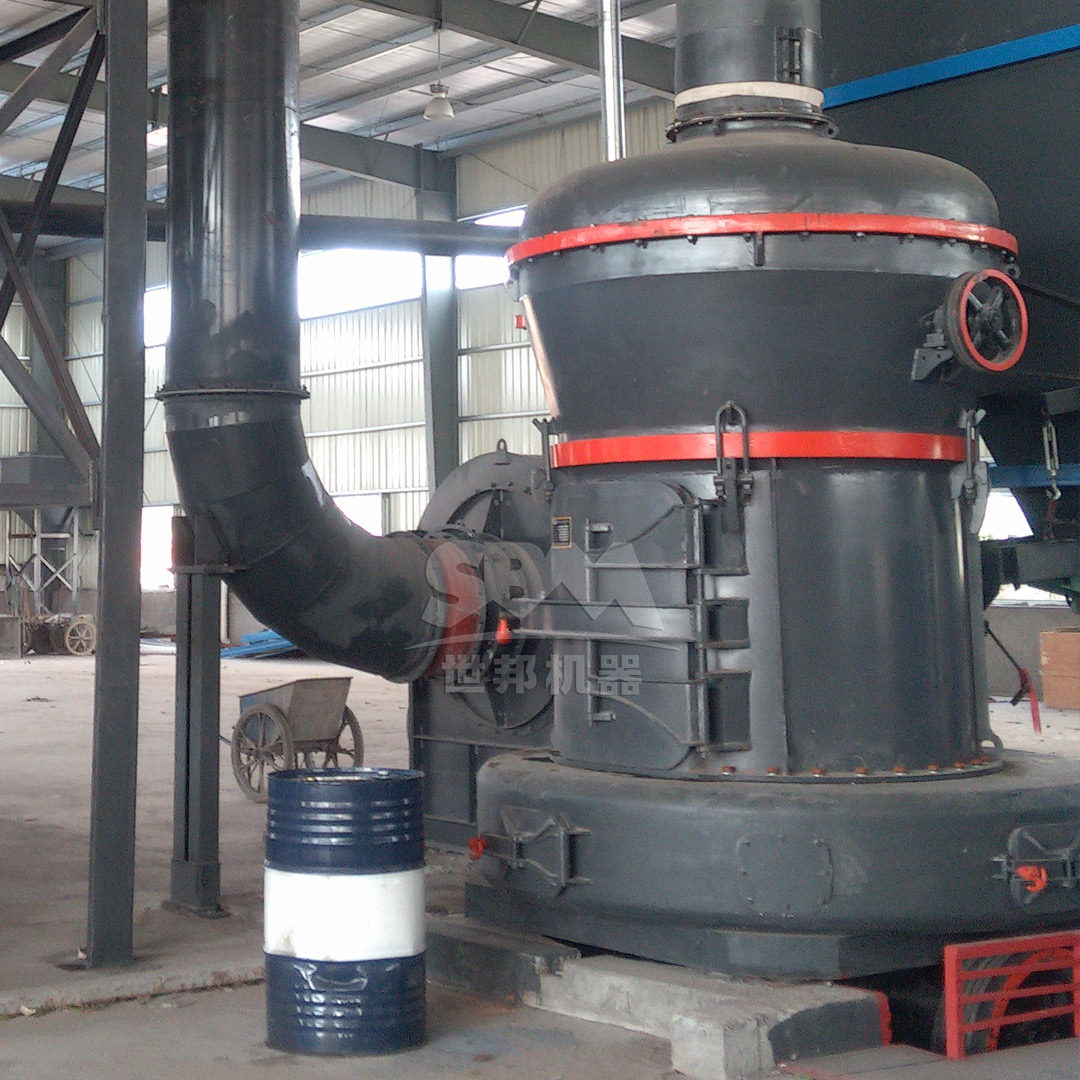
The MTW Series features an integral bevel gear drive with transmission efficiency up to 98%%, saving space and reducing installation costs. Its anti-wear shovel design with combined shovel blades reduces maintenance costs significantly. The optimized arc air duct reduces airflow energy loss, improving overall transmission efficiency. For titanium dioxide processing, the MTW mill can achieve fineness down to 0.038mm (38 microns), which is suitable for many standard ink formulations.
The MTM Series introduces intelligent pressure regulation, where the spring pressure system automatically compensates for roller wear, extending roller and ring life by 30%%. The innovative roller assembly with horizontal pull-rod connection protects main shaft bearings and handles larger materials effectively. Both series offer robust construction and reliable performance for medium-scale production.
Recommended Product: MTW Series European Trapezium Mill (600-45μm)
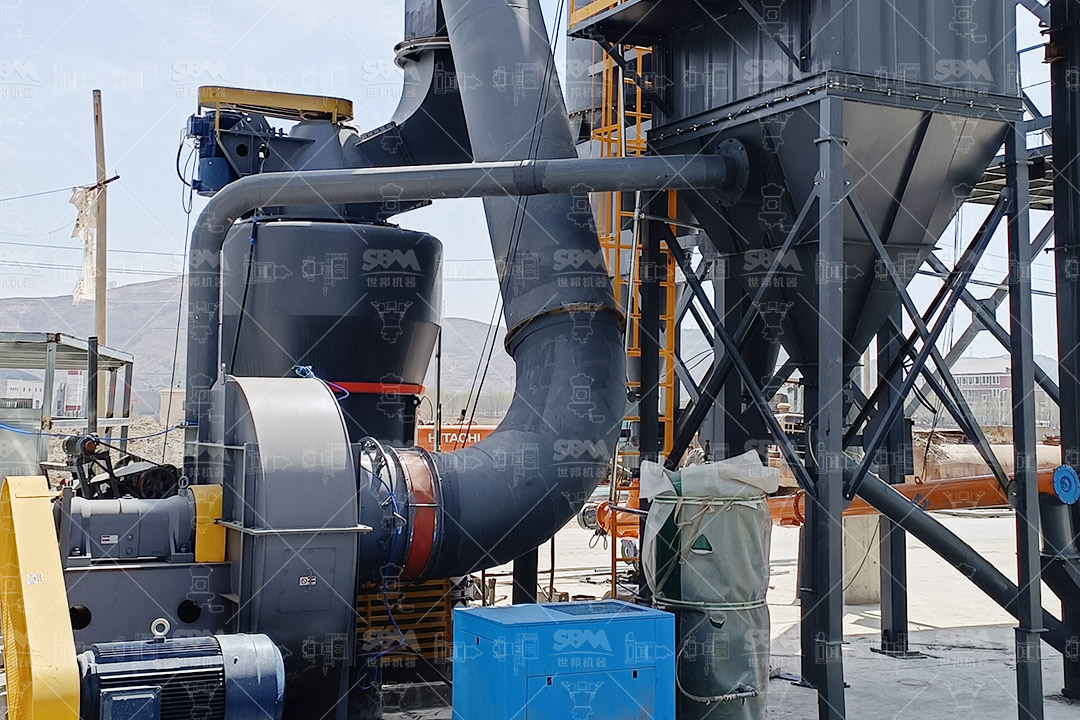
For very high-capacity operations, the LM Series Vertical Roller Mill offers an integrated design combining crushing, grinding, and selection in a single system. This reduces floor space by 50%% and infrastructure costs by 40%%. The non-contact design between rollers and table increases wear part life by three times, while energy consumption is 30-40%% lower than ball mill systems. The expert-level auto-control system supports remote and local switching, providing real-time monitoring of all critical parameters.
The LM series is available in multiple variants: mineral mill, coal mill, slag mill, fine-powder mill, and pre-grinding mill. For titanium additives, the LM Vertical Fine-powder Mill Series (LM130X-GX to LM220X-GX) is particularly relevant, offering fineness up to 325-600 mesh with a feed size of ≤20mm and capacity ranging from 4 to 30 t/h.
Additionally, the Ball Mill remains a workhorse for bulk processing of titanium additives, especially where coarser particles (0.074-0.8mm) are needed. With a crushing ratio up to 300:1 and continuously adjustable fineness, ball mills are suitable for both dry and wet processing modes.
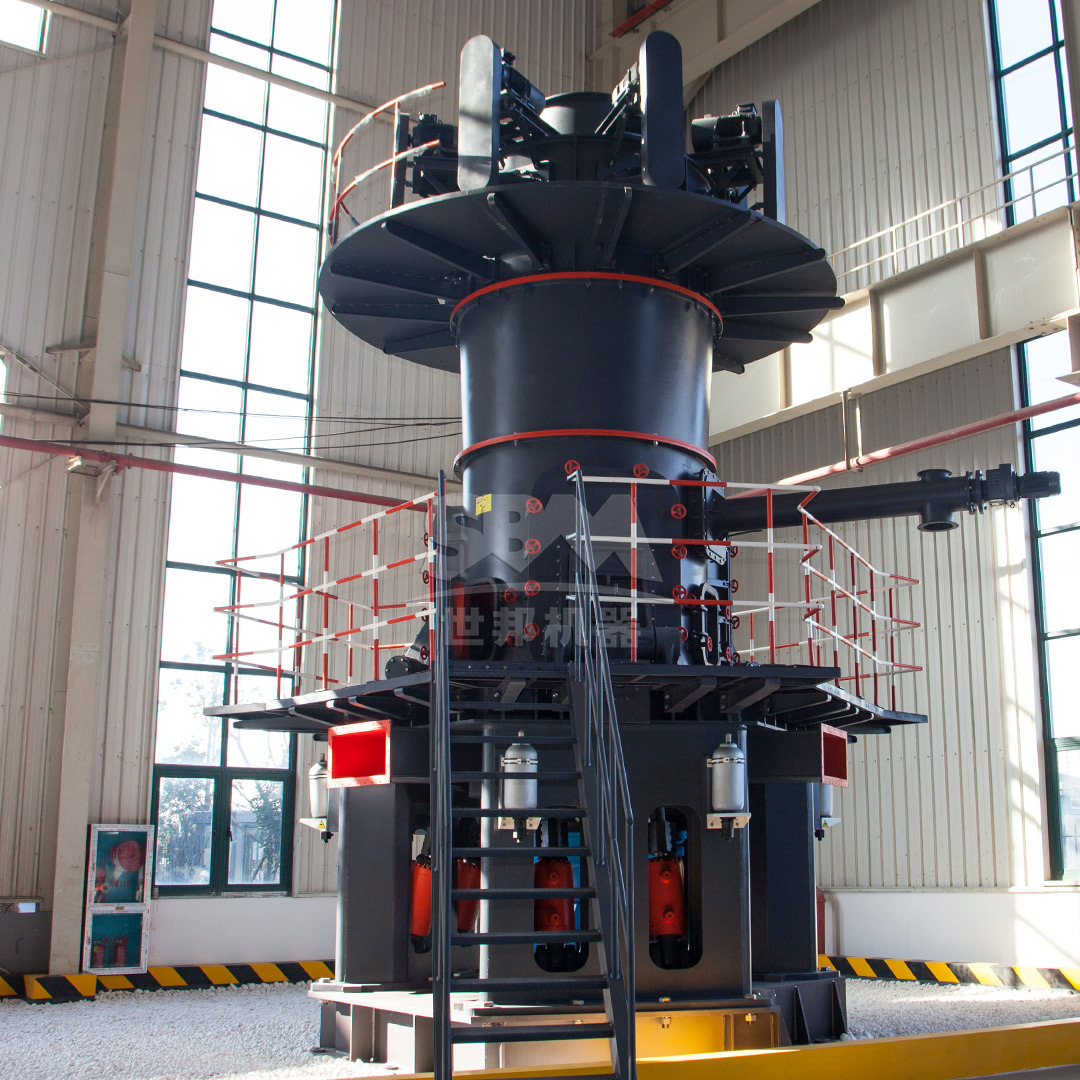
Beyond individual milling machines, the complete processing solution for titanium additives in inks includes several key stages: feeding, grinding (single or multi-stage), classification (via turbine or dynamic classifiers), powder collection (cyclone collectors and pulse dust removal systems), and quality control.
Modern systems integrate intelligent control networks that monitor parameters such as motor load, classifier speed, air flow, and product fineness in real time. This allows for automatic adjustments to maintain consistent product quality. For example, the pulse dust removal technology used in both SCM and LUM series ensures that emissions meet stringent environmental standards while recovering valuable fine particles.
For ink manufacturers looking to produce functional titanium additives, such as coated or surface-treated TiO₂, the milling process can be combined with chemical treatment stages. The ability to control the milling atmosphere (inert gases for moisture-sensitive materials) and temperature is another advantage offered by advanced vertical mill designs.
Producing high-quality titanium additives for inks requires a deep understanding of particle size requirements, energy efficiency, and system reliability. The SCM Series Ultrafine Mill and MTW Series European Trapezium Mill represent two outstanding solutions at different ends of the fineness spectrum. Whether you need ultrafine powders down to 5 microns for premium ink formulations or medium-fine powders for standard applications, these mills deliver the precision, efficiency, and durability that modern ink production demands.
By investing in the right milling equipment, ink manufacturers can enhance product performance, reduce operational costs, and maintain a competitive edge in the marketplace. We recommend evaluating your specific production requirements against the capabilities of these advanced machines to select the optimal solution for your titanium additive processing needs.