Titanium matting agents are essential additives in the chemical fiber industry, used to reduce the gloss of synthetic fibers such as polyester, nylon, and polypropylene. The production of high-quality titanium matting agents requires precise grinding and classification equipment to achieve ultra-fine particle sizes, uniform distribution, and high purity. This article provides a comprehensive overview of the key technologies involved in producing titanium matting agents, along with a selection guide for choosing the right production equipment. We will explore various mill types, their working principles, technical advantages, and how they meet the stringent requirements of the chemical fiber industry.
Titanium matting agents are typically based on titanium dioxide (TiO₂) or other titanium compounds. They are used to scatter light on the surface of synthetic fibers, reducing gloss and creating a matte or semi-matte finish. The key quality parameters include particle size distribution, specific surface area, and chemical purity. To achieve optimal matting performance, the particle size must typically be in the range of 1 to 10 micrometers (equivalent to 1250 to 2500 mesh). This requires advanced milling technology capable of producing consistent ultra-fine powders.
The core process in titanium matting agent production is ultra-fine grinding. This involves reducing bulk titanium dioxide or titanium hydrate to particles smaller than 10 microns. High-energy mills are required to achieve this. The grinding process must also ensure minimal contamination from the grinding media, as purity is critical for the final application.
After grinding, the powder must be classified to separate the desired fine particles from coarser ones. Precision classification ensures a narrow particle size distribution, which is essential for consistent matting performance. Inefficient classification can lead to coarse particles that cause streaks or uneven gloss in the final fiber product.
Titanium compounds are highly abrasive. Therefore, the grinding equipment must be constructed from wear-resistant materials. Key components such as grinding rollers, rings, and liners must be designed to withstand continuous abrasion without degrading the product quality. Durable design reduces maintenance frequency and ensures stable production over long periods.
In modern industrial production, energy consumption and environmental impact are major considerations. Efficient milling equipment reduces power consumption per ton of product, lowering operational costs. Additionally, dust collection systems must meet strict emission standards to protect the environment and operator health. Pulse dust collectors and negative pressure systems are standard in high-quality installations.
Choosing the correct mill for titanium matting agent production depends on several factors: required fineness (mesh size), production capacity, feed size, and energy efficiency. Below we discuss the main mill types that are suitable for this application, based on our company’s extensive product portfolio.
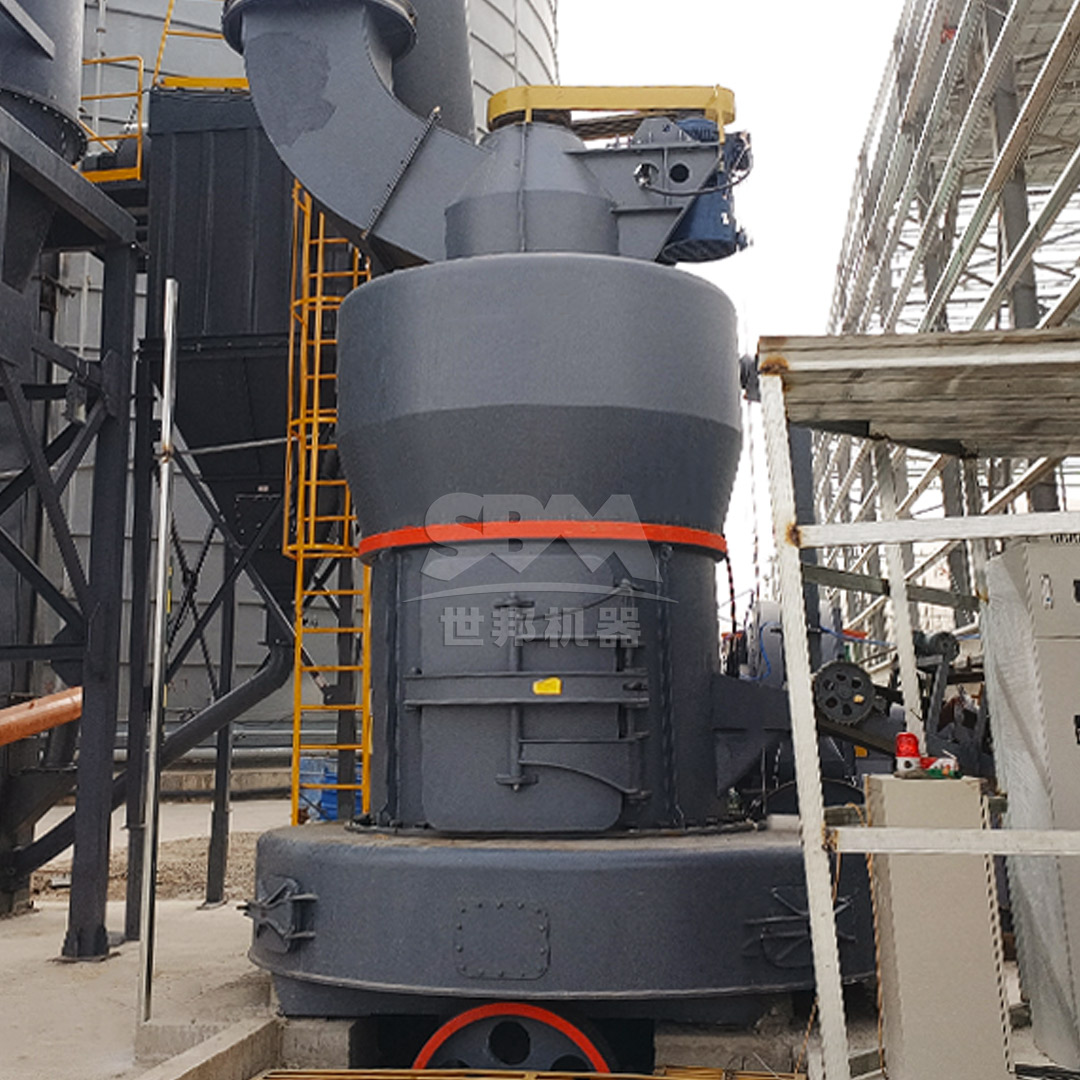
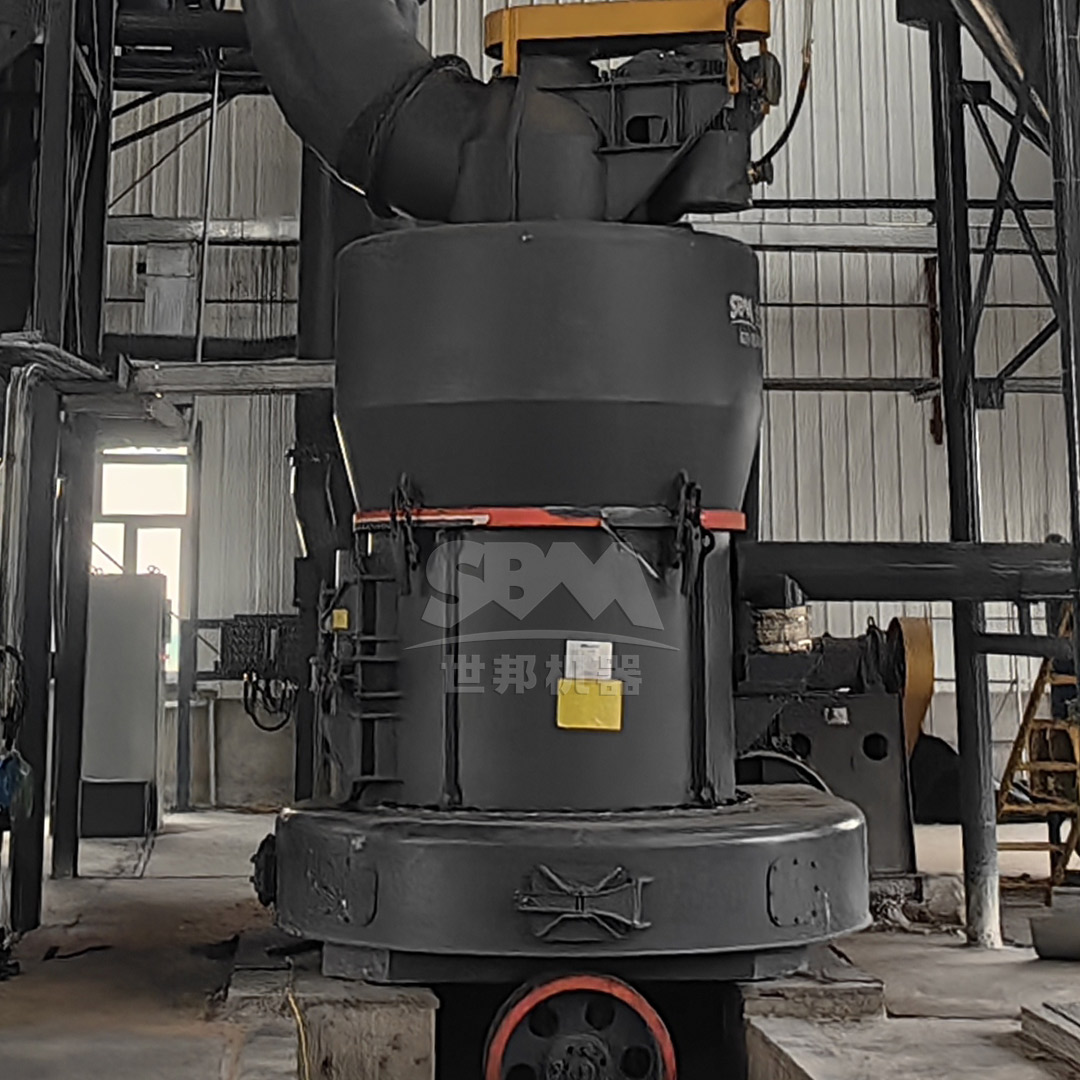
The SCM Series Ultrafine Mill is designed specifically for ultra-fine powder production, achieving a fineness range of 325-2500 mesh (45-5 microns). This makes it an ideal choice for titanium matting agents that require particle sizes below 10 microns. The mill features a vertical turbine classifier that ensures precise particle size cutting, preventing coarse powder mixing. With a capacity range of 0.5 to 25 tons per hour, the SCM series can meet both small-scale and large-scale production needs.
| Model | Capacity (t/h) | Main Power (kW) | Feed Size (mm) | Fineness (mesh) |
|---|---|---|---|---|
| SCM800 | 0.5-4.5 | 75 | 0-20 | 325-2500 |
| SCM900 | 0.8-6.5 | 90 | 0-20 | 325-2500 |
| SCM1000 | 1.0-8.5 | 132 | 0-20 | 325-2500 |
| SCM1250 | 2.5-14 | 185 | 0-20 | 325-2500 |
| SCM1680 | 5.0-25 | 315 | 0-20 | 325-2500 |
We strongly recommend the SCM1250 Ultrafine Mill for mid-to-large scale titanium matting agent production. It offers a capacity of 2.5–14 tons per hour, which is well-suited for continuous industrial operations. Its high-efficiency classification and durable roller design ensure consistent product quality and long service life.
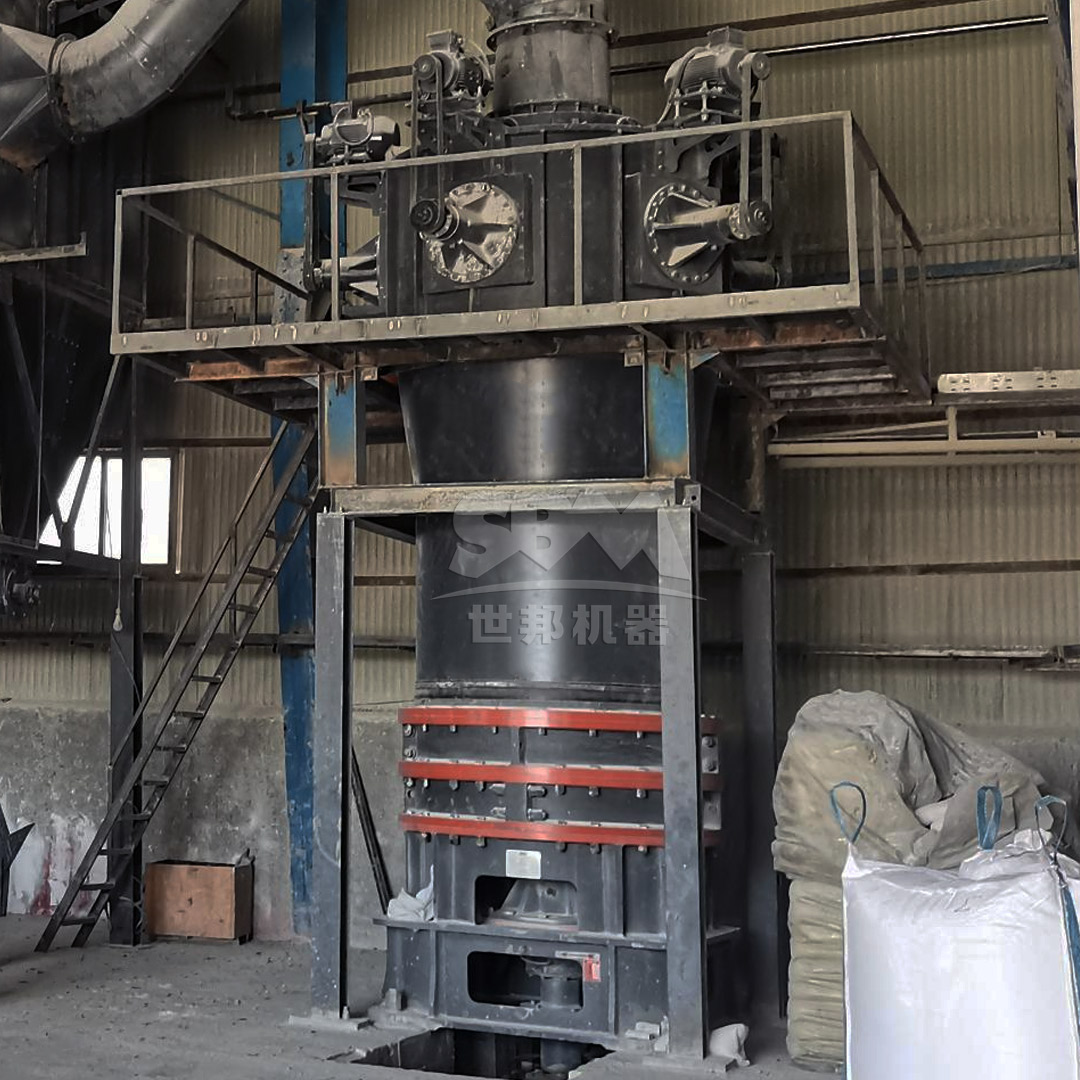
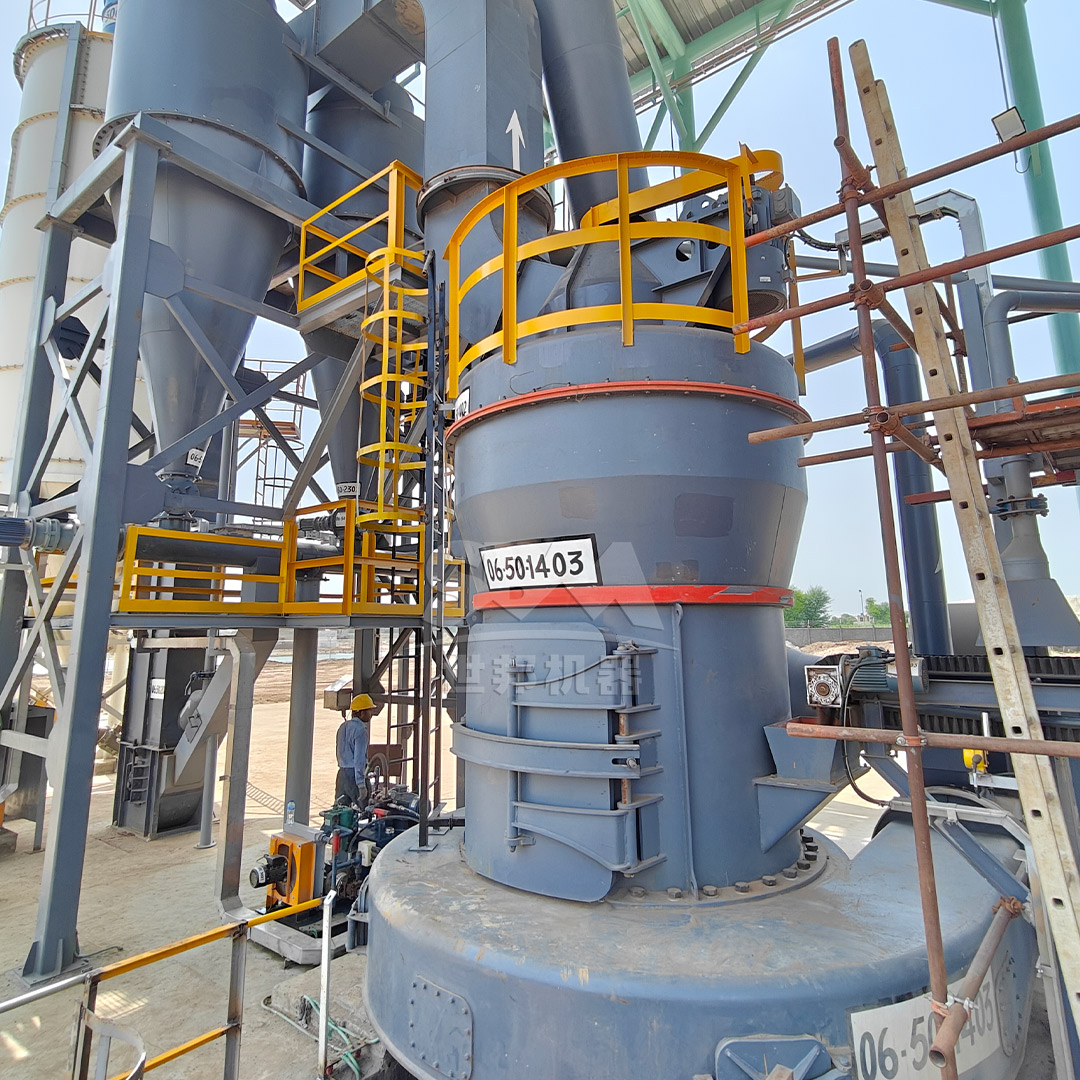
Another excellent option for ultra-fine grinding is the LUM Series Ultrafine Vertical Roller Mill. This mill uses a unique roller and liner curve design to improve grinding efficiency. It also incorporates multi-rotor classification technology for precise particle size control, achieving fineness from 325 to 2500 mesh (5-30 microns). The LUM series is equipped with PLC automation for stable operation and a negative pressure system that prevents dust leakage.
| Model | Power (kW) | Capacity (t/h) | Fineness (d97: μm) |
|---|---|---|---|
| LUM1525 | 220-250 | 1.6-11.5 | 5-30 |
| LUM1632 | 280-315 | 2-13.5 | 5-30 |
| LUM1836 | 355-400 | 2.3-15 | 5-30 |
For applications requiring very high specific surface area and extremely fine powders, the LUM1632 Ultrafine Vertical Roller Mill is highly recommended. It combines high capacity with low energy consumption and excellent environmental performance, making it a cost-effective solution for premium titanium matting agents.
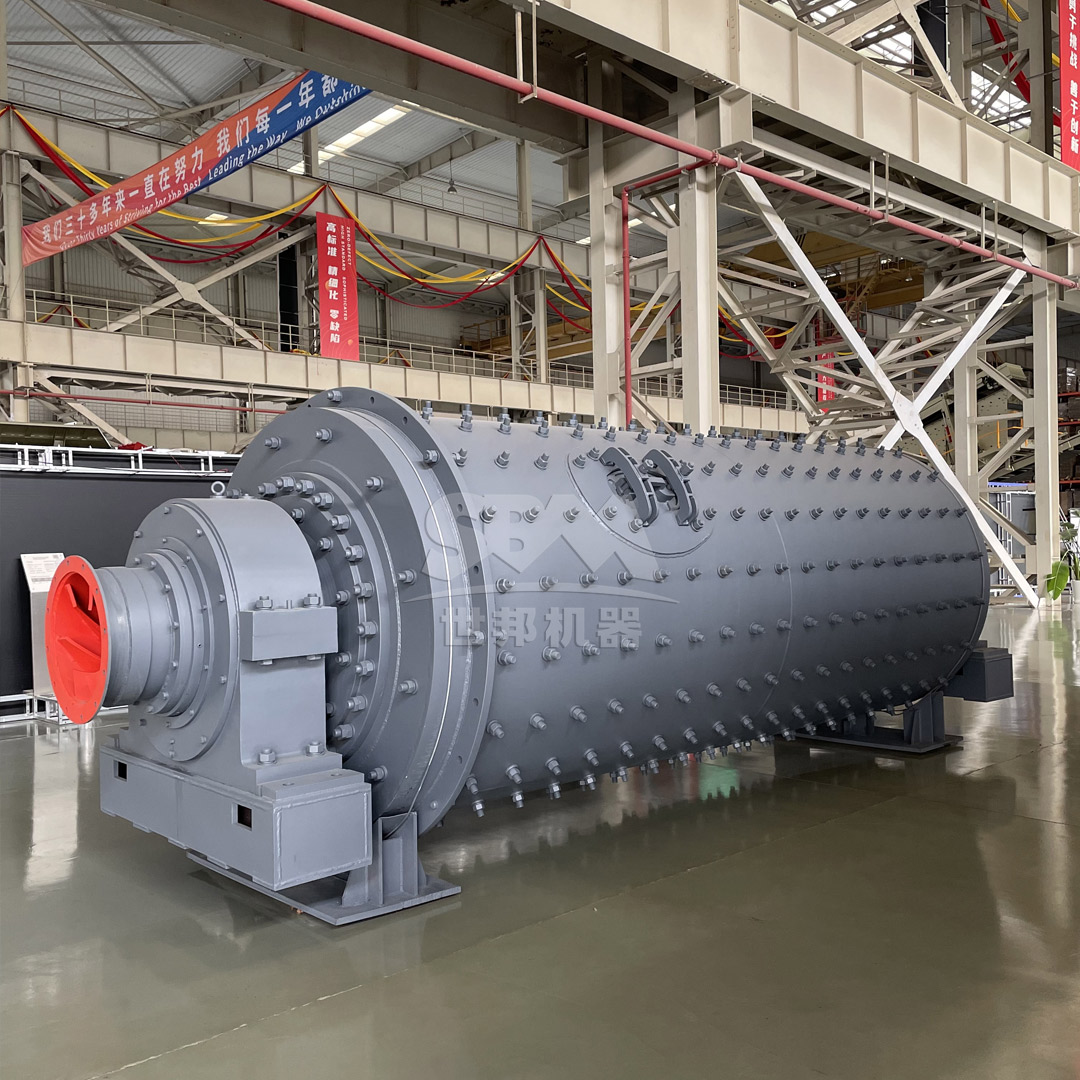
When the required fineness is in the range of 30-325 mesh (600-45 microns), the MTW Series European Trapezium Mill is a reliable choice. While not suitable for ultra-fine matting agents (which require <10 microns), it can be used for pre-grinding or for producing matting agents with a coarser specification. Its integral bevel gear drive achieves transmission efficiency up to 98%, and the anti-wear shovel design reduces maintenance costs.
For large-scale production exceeding 25 tons per hour, the LM Series Vertical Roller Mill is ideal. With capacities ranging from 3 to 250 tons per hour, this mill integrates crushing, grinding, and selection into one system, reducing floor space by 50%. The non-contact design between rollers and table extends wear part life by three times. The LM series is especially suitable for grinding titanium matting agents at a fineness of 30-325 mesh, but specialized models can reach 600 mesh for finer products.
To help you make an informed decision, the following table summarizes the key features of the recommended mills for titanium matting agent production.
| Feature | SCM Ultrafine Mill | LUM Ultrafine Vertical Mill | MTW Trapezium Mill | LM Vertical Roller Mill |
|---|---|---|---|---|
| Fineness Range | 325-2500 mesh (45-5μm) | 325-2500 mesh (30-5μm) | 30-325 mesh (600-45μm) | 30-325 mesh (600-45μm) |
| Capacity | 0.5-25 t/h | 1.6-15 t/h | 3-45 t/h | 3-250 t/h |
| Feed Size | ≤20mm | ≤20mm | ≤50mm | ≤50mm |
| Energy Saving | 30% lower vs. jet mill | Efficient roller design | 98% transmission efficiency | 30-40% lower vs. ball mill |
| Classification | Vertical turbine classifier | Multi-rotor classifier | Optimized arc air duct | Dynamic classifier |
| Wear Resistance | Special material rollers/rings | Durable roller/liner curves | Combined shovel blades | Non-contact design |
| Environmental | Pulse dust collector, low noise | Negative pressure, no dust | Pulse dust removal | Fully sealed, low noise |
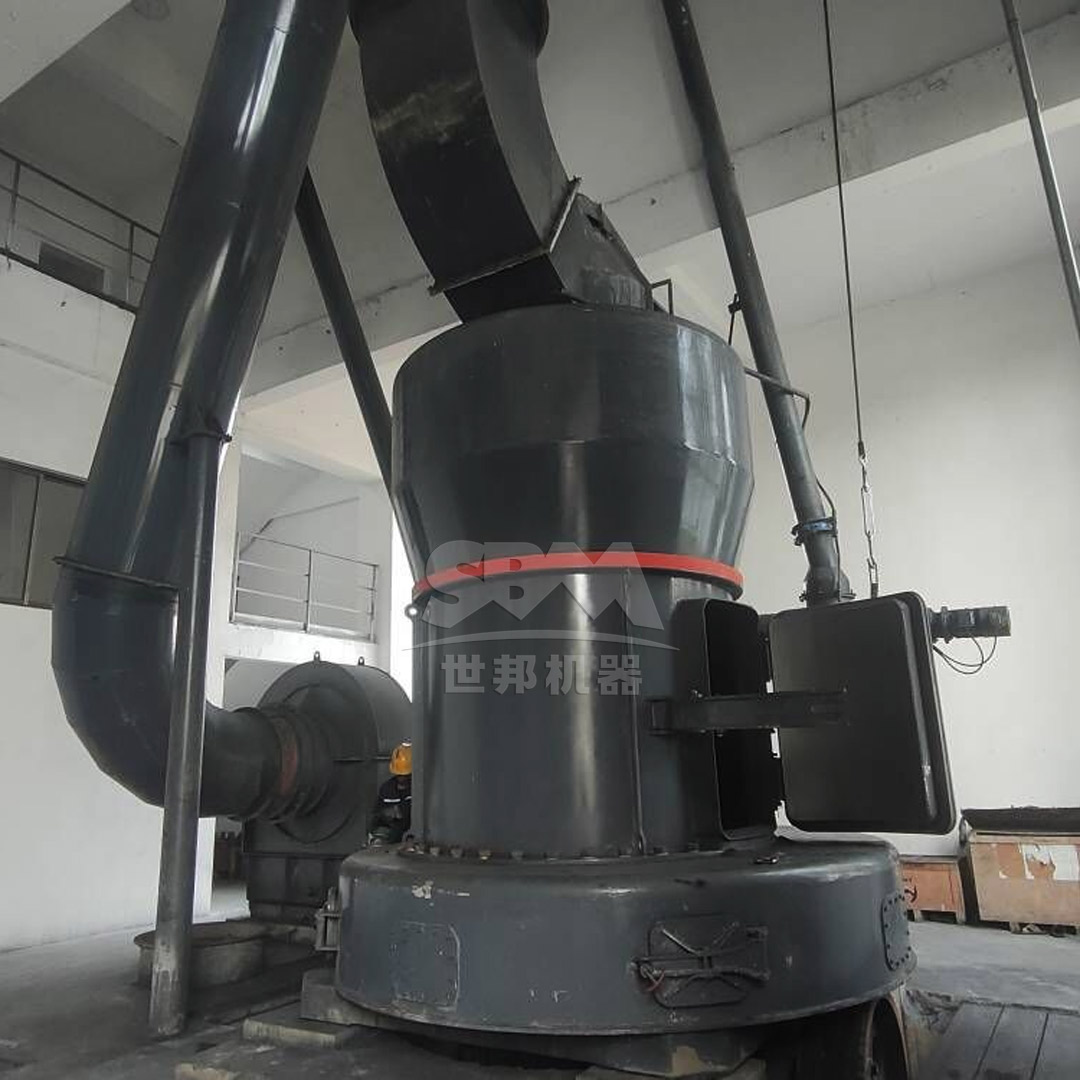
To understand why the SCM series is particularly effective for titanium matting agents, let us examine its working principle. The main motor drives three layers of grinding rings to rotate. Bulk materials are fed into the mill and dispersed into the grinding path by centrifugal force. The materials are then crushed by roller pressure and ground layer by layer. The ground powder is carried by airflow to the classifier, where the vertical turbine classifier ensures that only fine particles pass through. Coarse particles are returned for further grinding. Finally, the finished powder is collected by a cyclone collector and a pulse dust removal system, ensuring a clean and efficient operation.
Producing high-quality titanium matting agents for chemical fibers requires advanced milling technology that can achieve ultra-fine particle sizes with high uniformity and purity. The SCM Series Ultrafine Mill and LUM Ultrafine Vertical Roller Mill from our company are specifically designed to meet these challenges. With features such as high-precision classification, energy-efficient designs, and durable wear parts, these mills provide reliable and cost-effective solutions for the chemical fiber industry. We invite you to contact our technical team for a personalized equipment selection based on your specific production requirements.