Coconut shell charcoal, a high-value biomass-derived product, is prized for its high calorific value, low ash content, and porous structure, making it ideal for applications ranging from metallurgical fuel and activated carbon feedstock to barbecue briquettes and soil amendment. The transformation of raw coconut shells into uniform, market-ready charcoal powder hinges on efficient and precise grinding technology. Selecting the right milling equipment is paramount to achieving desired particle size distribution, maximizing yield, and ensuring operational profitability. This comprehensive guide delves into the critical stages of coconut shell charcoal processing, with a focused analysis on grinding mill selection and the configuration of a complete production line.
The journey from whole coconut shells to refined charcoal powder involves several sequential stages, each crucial for quality and efficiency.
The first step is carbonization, where dried coconut shells are heated in a low-oxygen environment (typically in a carbonization furnace or kiln) to drive off volatile compounds and moisture. This process converts the biomass into raw charcoal lumps, concentrating the fixed carbon content. Proper control of temperature and duration is vital to produce charcoal with optimal hardness and structure for subsequent grinding.
The carbonized lumps are often too large for fine grinding mills. A primary crusher, such as a Hammer Mill or a Jaw Crusher, is employed to reduce the lump size to a more manageable feed (typically below 20-50mm). This stage ensures a consistent feed size for the grinding mill, preventing blockages and optimizing grinding efficiency.
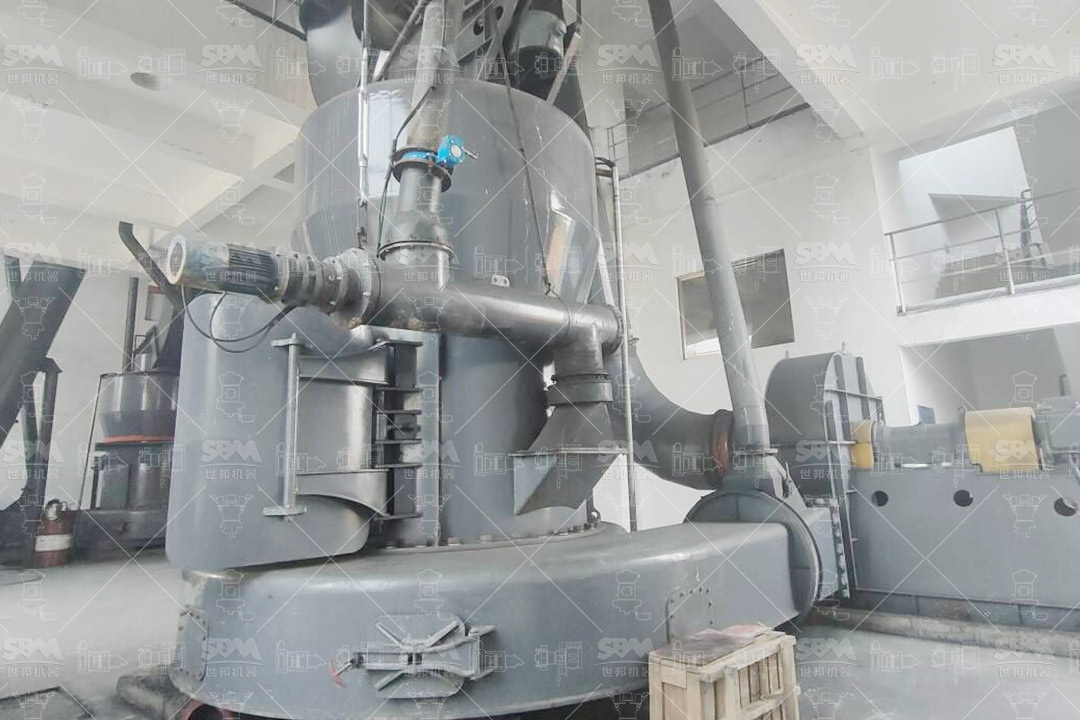
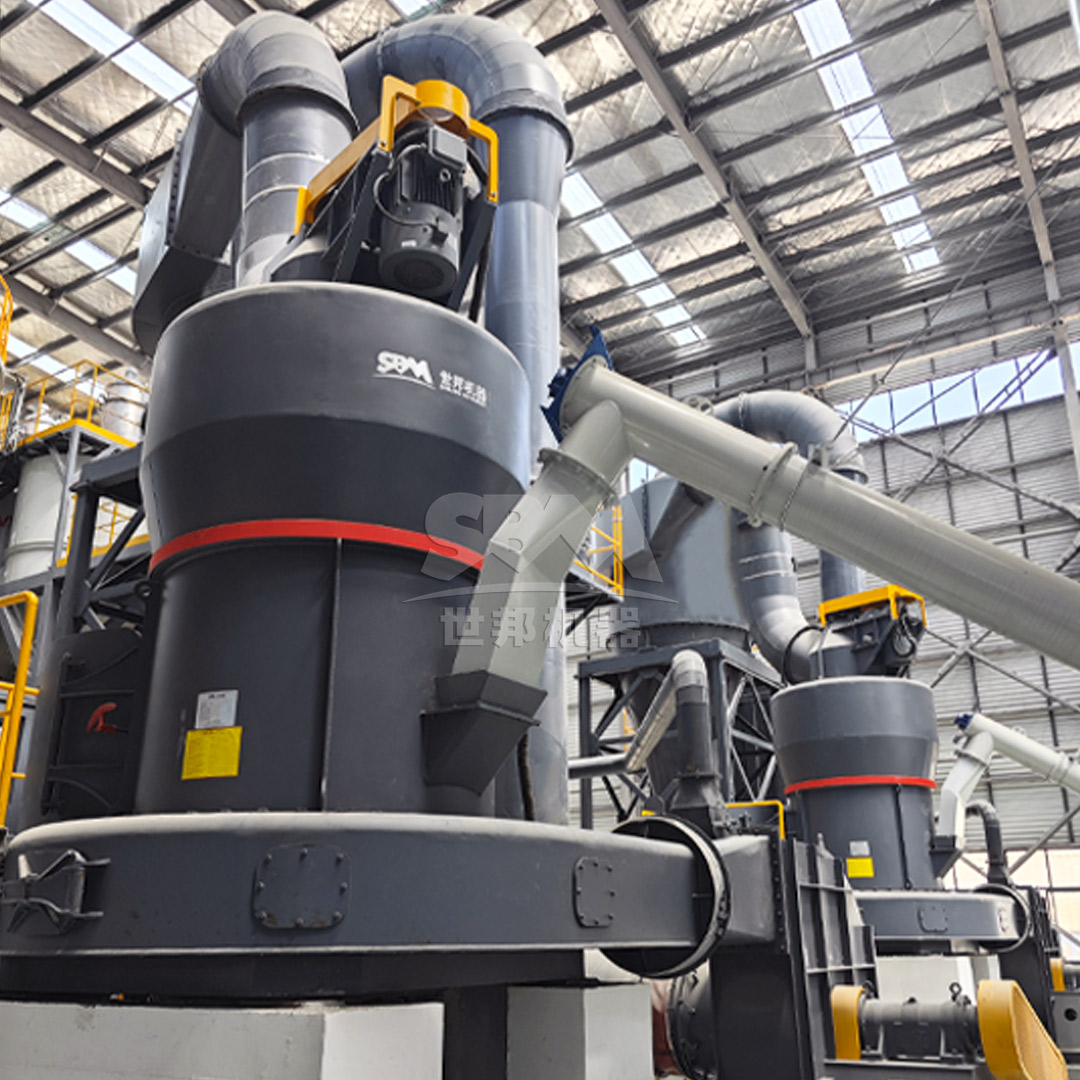
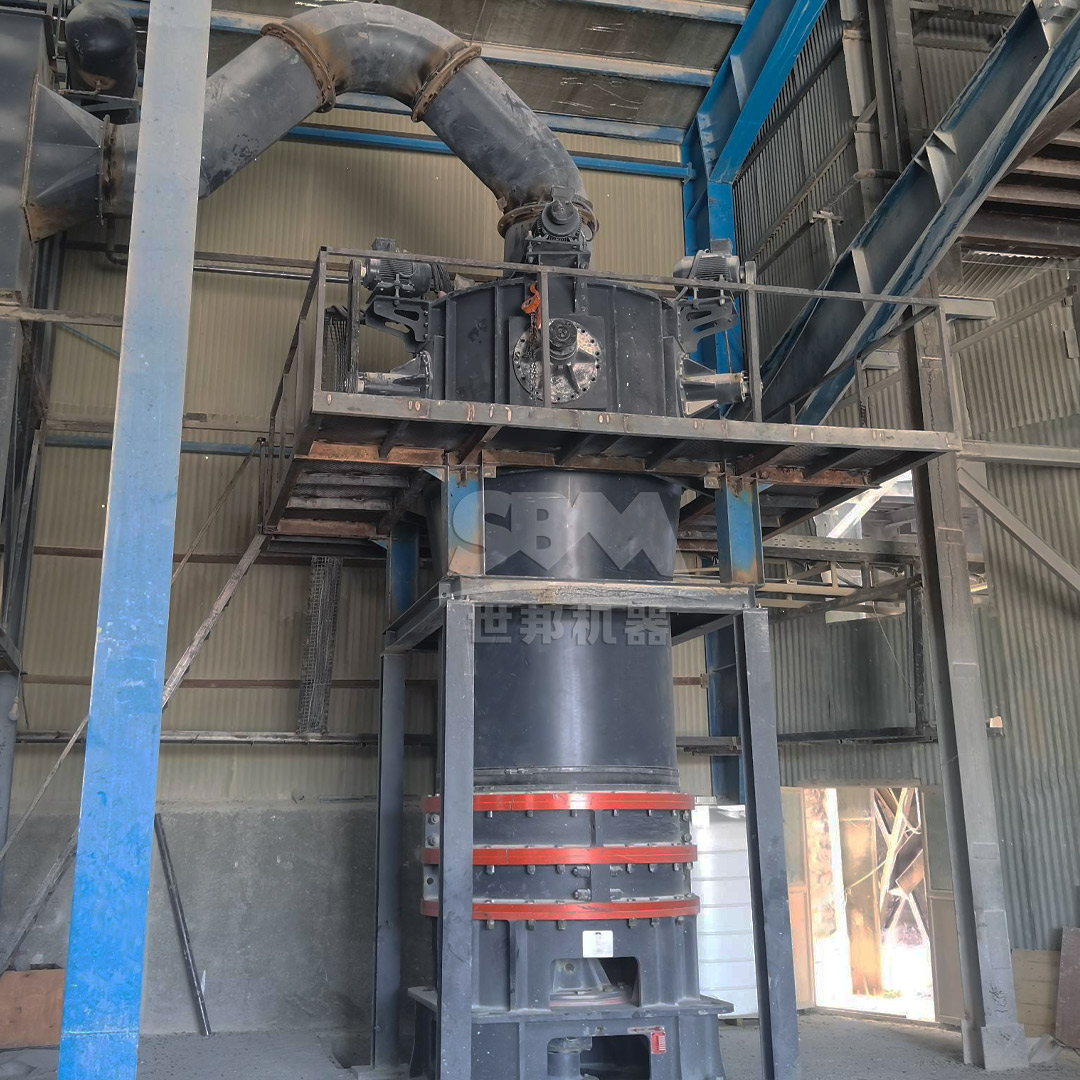
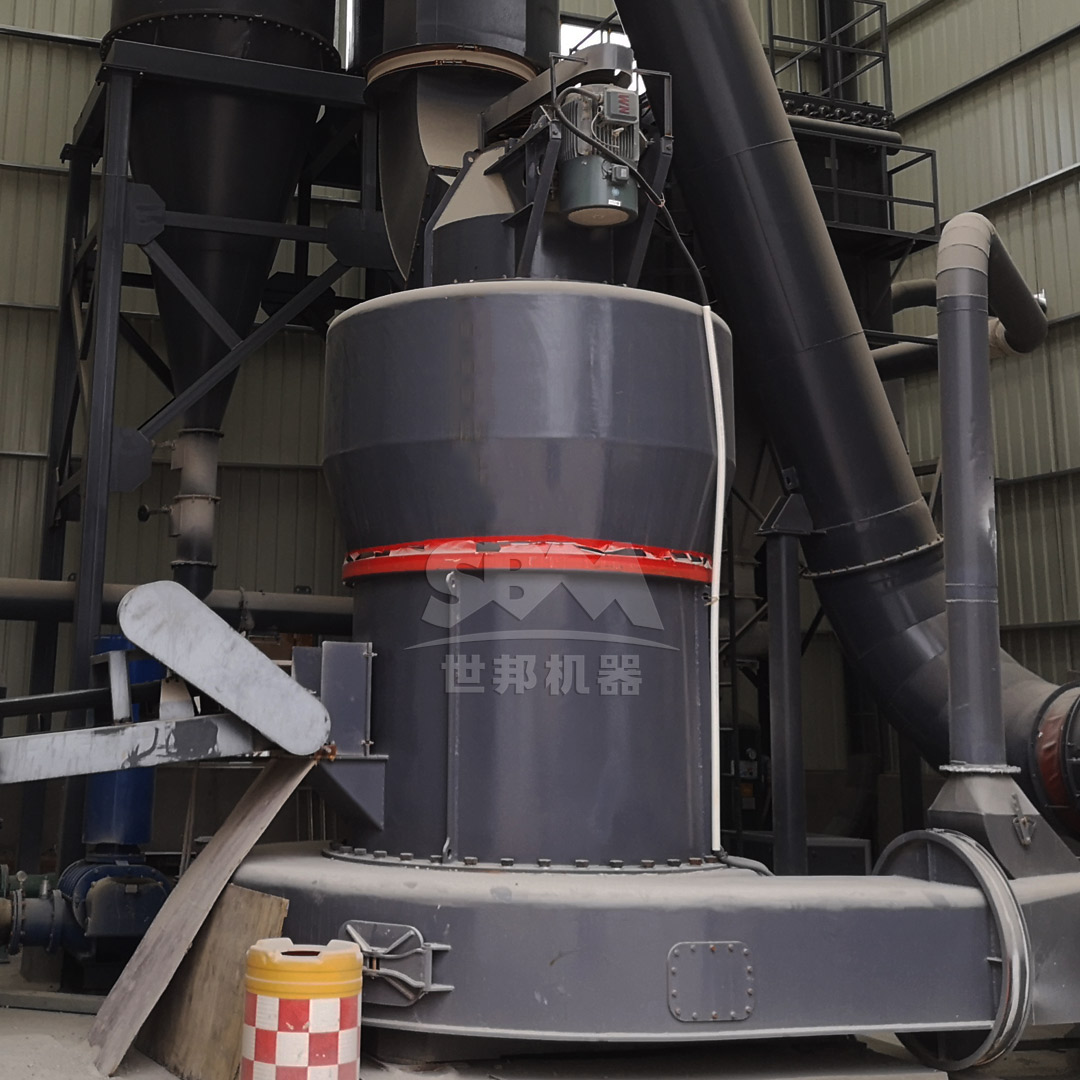
This is the heart of the powder production process. The pre-crushed charcoal is fed into a grinding mill to achieve the target fineness, which can range from coarse grit (10-30 mesh) for barbecue charcoal to superfine powder (325-2500 mesh) for high-grade activated carbon or specialized industrial uses. The choice of mill technology directly impacts product quality, energy consumption, and production capacity.
Post-grinding, the powder may undergo screening or air classification to ensure a uniform particle size distribution. Oversized particles are often recirculated back to the grinder for further processing.
For certain markets, the charcoal powder is mixed with a binder and compressed into briquettes using a briquetting machine to form uniform shapes like pillows or hexagons, enhancing their commercial value and burning characteristics.
The abrasive nature and specific density of coconut shell charcoal demand robust and efficient grinding solutions. Below is a comparison of common mill types used in this industry.
| Mill Type | Typical Output Range | Key Advantages for Charcoal | Considerations |
|---|---|---|---|
| Hammer Mill | 0-3mm (Coarse to Medium) | High capacity, simple structure, low initial cost. Ideal for primary/secondary crushing. | Produces broader particle distribution; higher wear on hammers/screens. |
| Ball Mill / Rod Mill | 0.074-0.8mm (Medium) | Proven technology, suitable for wet or dry grinding, high crushing ratio. | Higher energy consumption, larger footprint, noise, and potential for over-grinding. |
| Raymond Mill (MTW/MTM) | 45-325 mesh (Medium-Fine) | Stable operation, adjustable fineness, lower investment than ultrafine mills. | Limited to medium fineness; grinding roller/ring wear requires maintenance. |
| Vertical Roller Mill (LM Series) | 30-325 mesh (up to 600 mesh) | High grinding efficiency, integrated system, lower energy consumption, dry process. | Higher initial investment; requires consistent feed size and material flow. |
| Ultrafine Mill (SCM/LUM) | 325-2500 mesh (Superfine) | Produces ultra-fine powder with narrow distribution, high classification precision, eco-friendly. | Highest capital cost; optimal for high-value-added products like premium activated carbon. |
For modern, high-output coconut shell charcoal processing lines, advanced mill designs offer significant advantages in efficiency and product control.
When your production targets require consistent output in the 30-325 mesh range with capacities from 3 to 45 tons per hour, the MTW Series European Trapezium Mill stands out as a robust and efficient workhorse. Its design is particularly well-suited for the continuous processing of abrasive materials like charcoal.
Models like the MTW215G, with a capacity of 15-45 TPH and handling feed sizes up to 50mm, make it an excellent choice for large-scale charcoal powder production facilities.
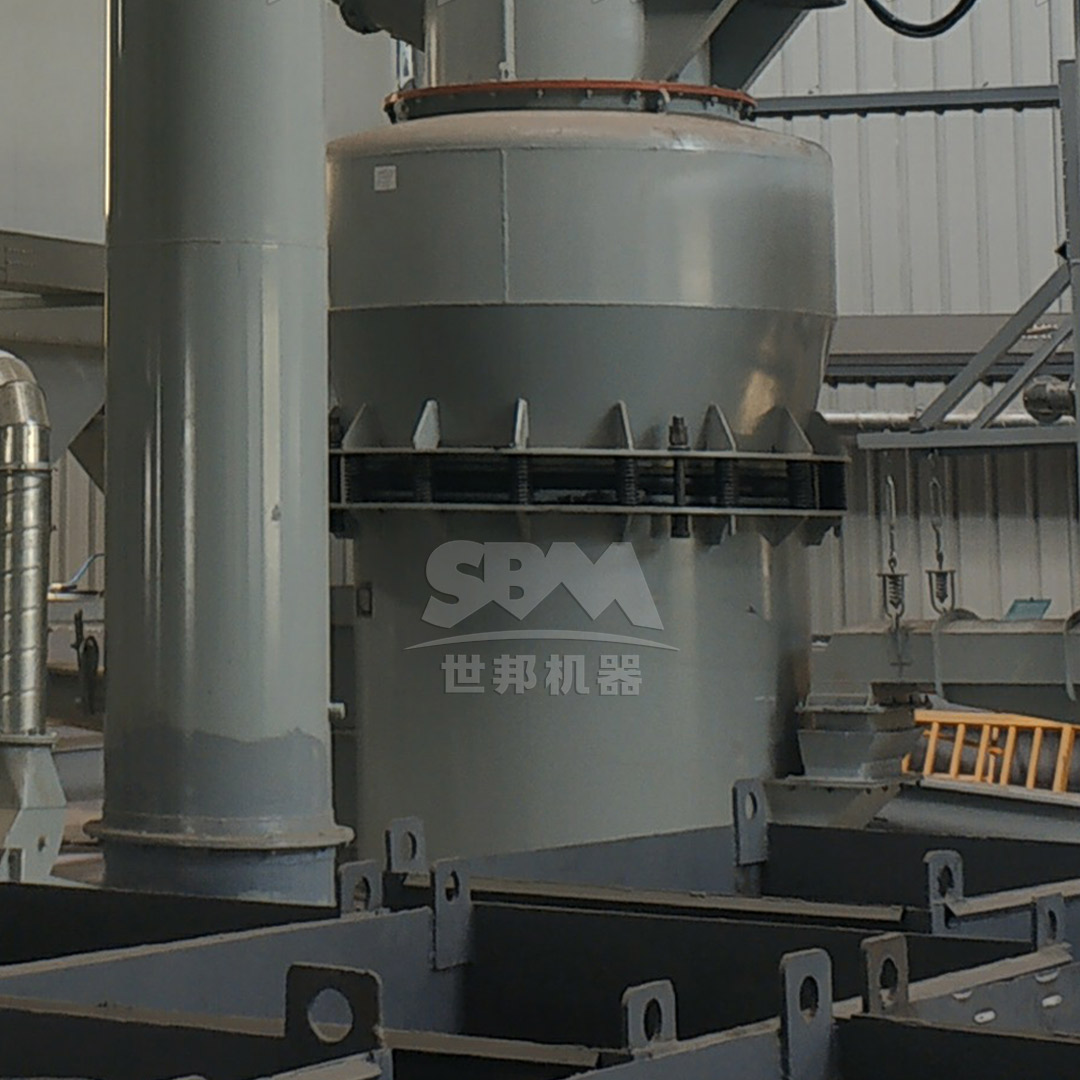
To tap into the high-value market of superfine coconut shell charcoal powder (325-2500 mesh) used in advanced activated carbon, specialty filters, or nanocomposites, the SCM Series Ultrafine Mill is the technology of choice. It represents the pinnacle of fine grinding precision and efficiency.
With models ranging from the SCM800 (0.5-4.5t/h) to the high-capacity SCM1680 (5.0-25t/h), this series provides scalable solutions for producing premium-grade charcoal powder.
A synergistic integration of equipment is key to a smooth and profitable operation. A typical complete line includes:

The success of a coconut shell charcoal processing venture heavily relies on the strategic selection of grinding technology. While hammer mills and Raymond mills serve well for basic applications, advancing to more sophisticated solutions like the MTW European Trapezium Mill for high-volume fine powder or the SCM Ultrafine Mill for premium superfine products can dramatically enhance product quality, throughput, and operational economy. Investing in a well-designed, complete production line centered around the right mill not only optimizes the grinding process but also ensures system reliability, environmental compliance, and long-term competitiveness in the growing global market for biomass charcoal products.