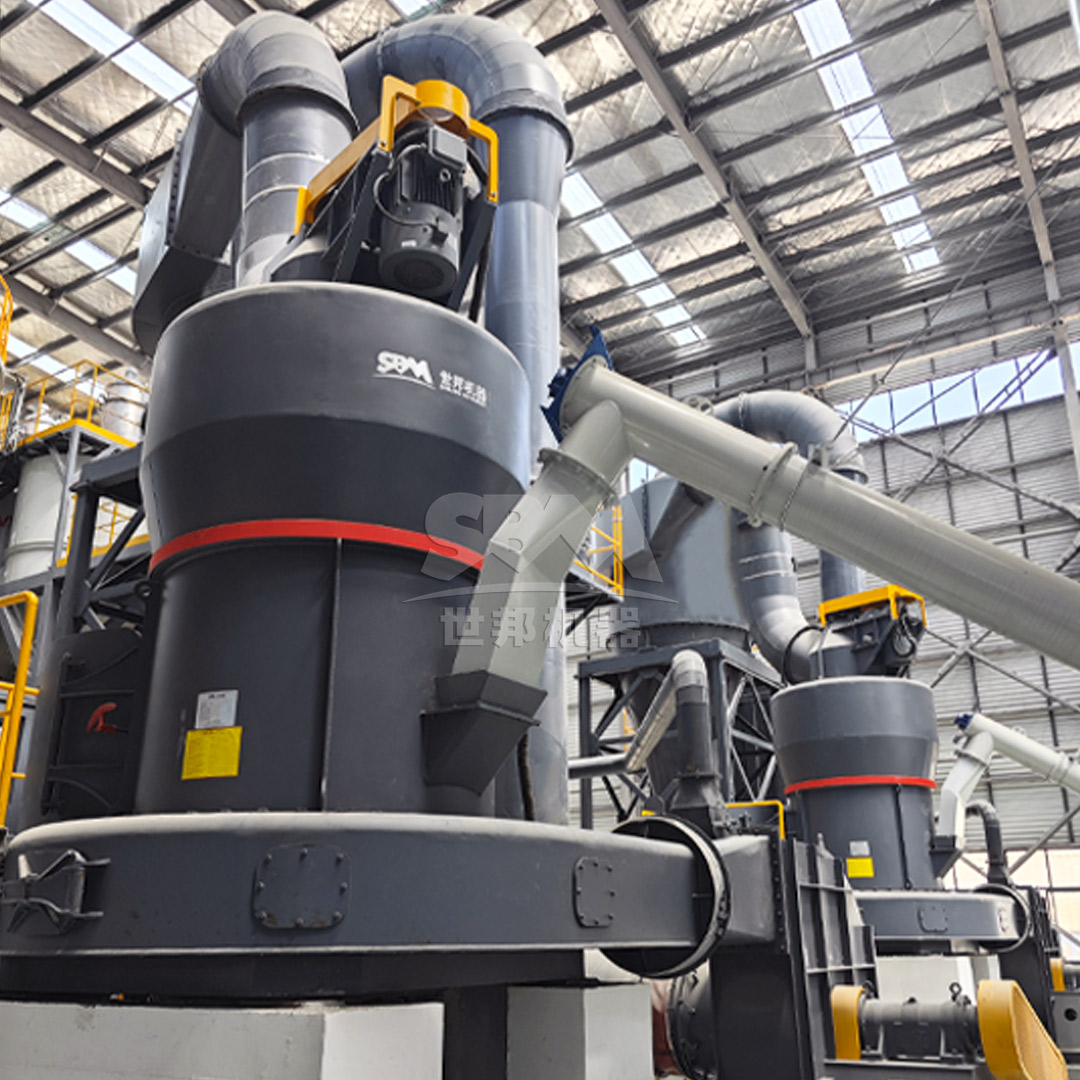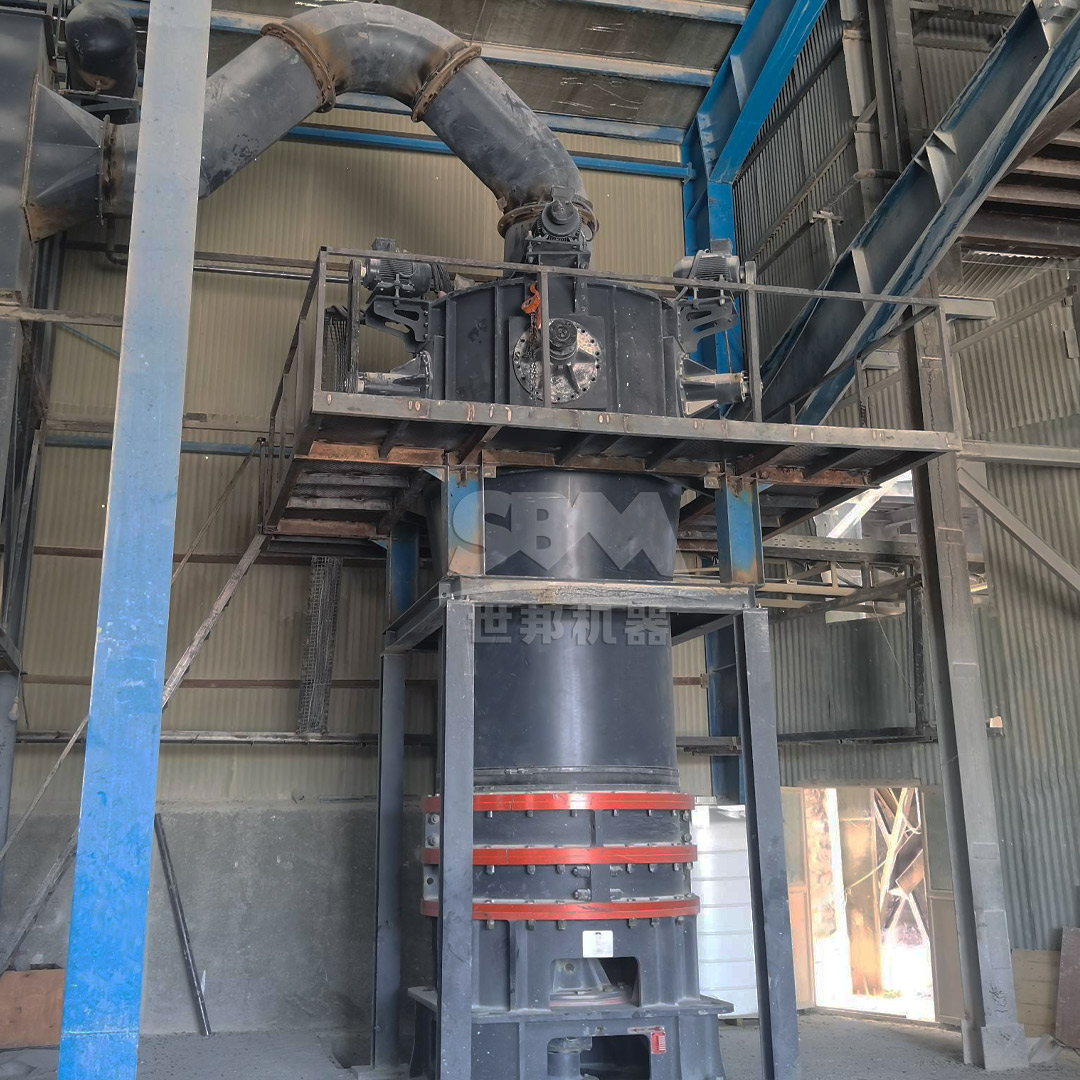
Calcined petroleum coke (CPC) is a critical raw material in the production of carbon anodes for electrolytic aluminum. The quality of CPC—particularly its particle size distribution, purity, and density—directly influences anode performance, energy consumption, and aluminum purity. Proper grinding and classification of CPC are therefore essential steps in the anode production chain. This guide outlines the key considerations for selecting processing equipment and highlights recommended solutions from our portfolio.
CPC is produced by calcining green petroleum coke at temperatures around 1200–1400°C, which removes volatile matter and increases density and electrical conductivity. Typical properties include:
When selecting equipment for CPC processing, the following factors should be carefully evaluated:
Based on the above criteria, we recommend two of our advanced mills: the SCM Series Ultrafine Mill and the LM Series Vertical Roller Mill. Both are engineered to deliver precise fineness, high capacity, and reliable operation for CPC processing.
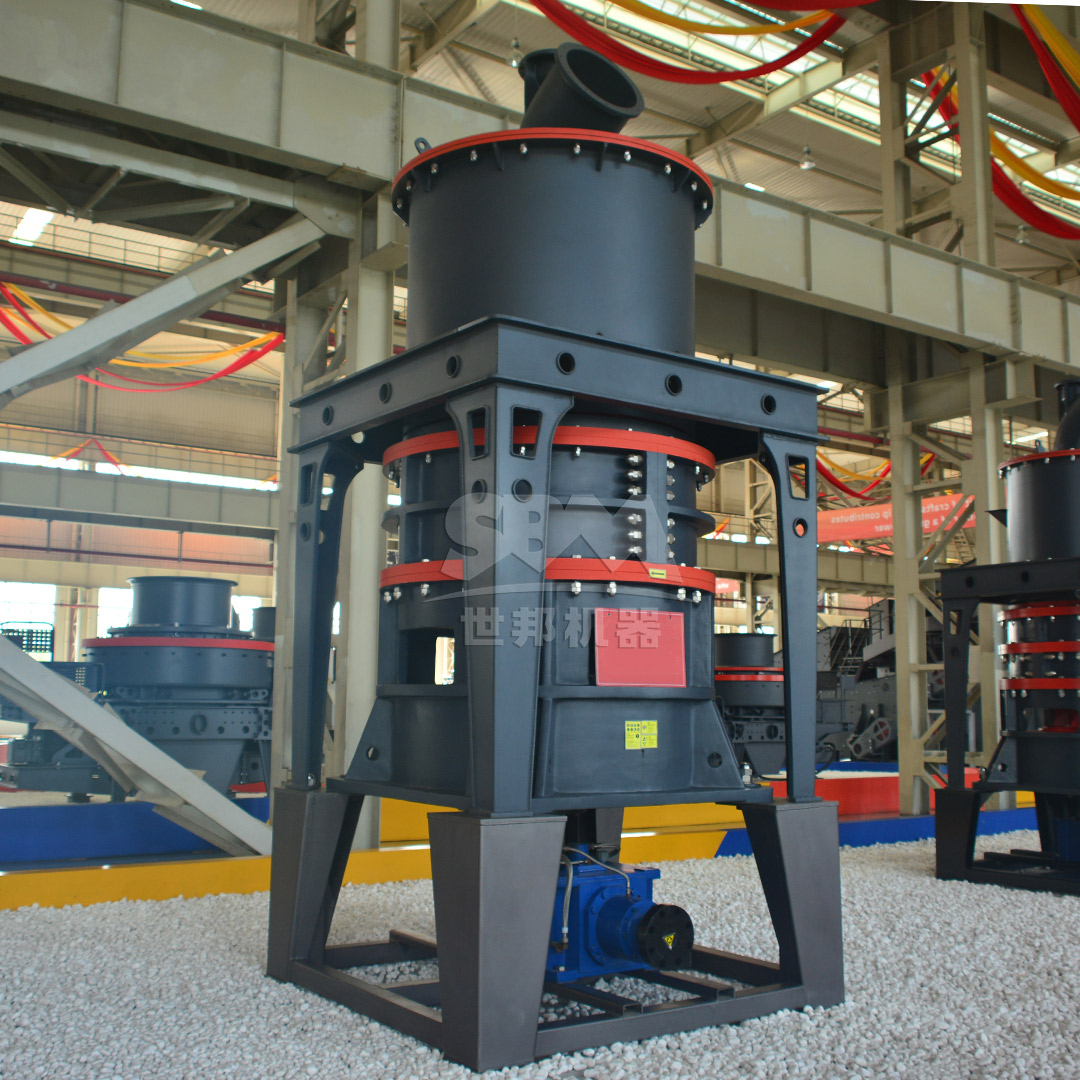
The SCM ultrafine mill is ideal for producing fine CPC powders (325–2500 mesh). Its key advantages include:
With models from SCM800 (0.5–4.5 t/h) to SCM1680 (5–25 t/h), the SCM series can be scaled to meet various production capacities. Its ability to produce ultra-fine powders makes it suitable for fine filler fractions in anode formulations.
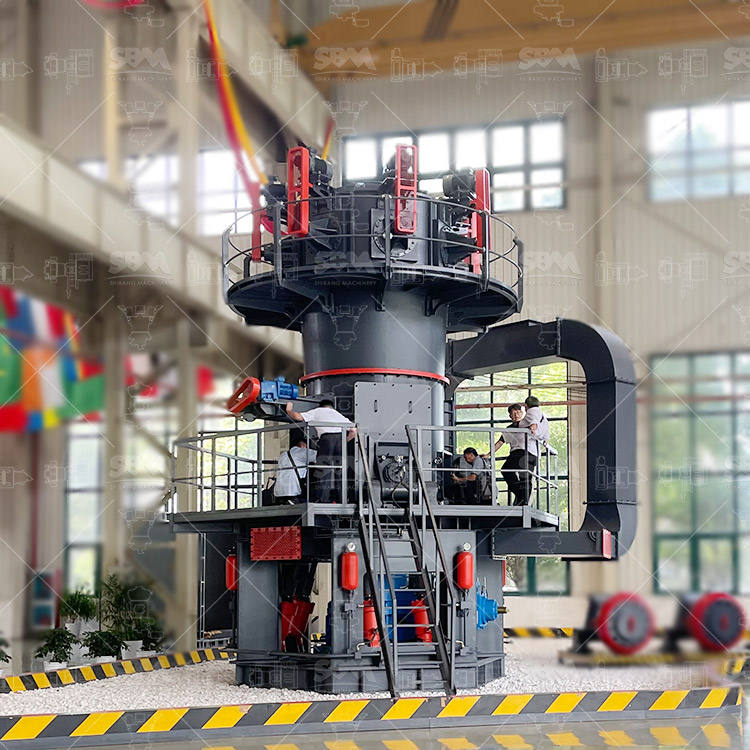
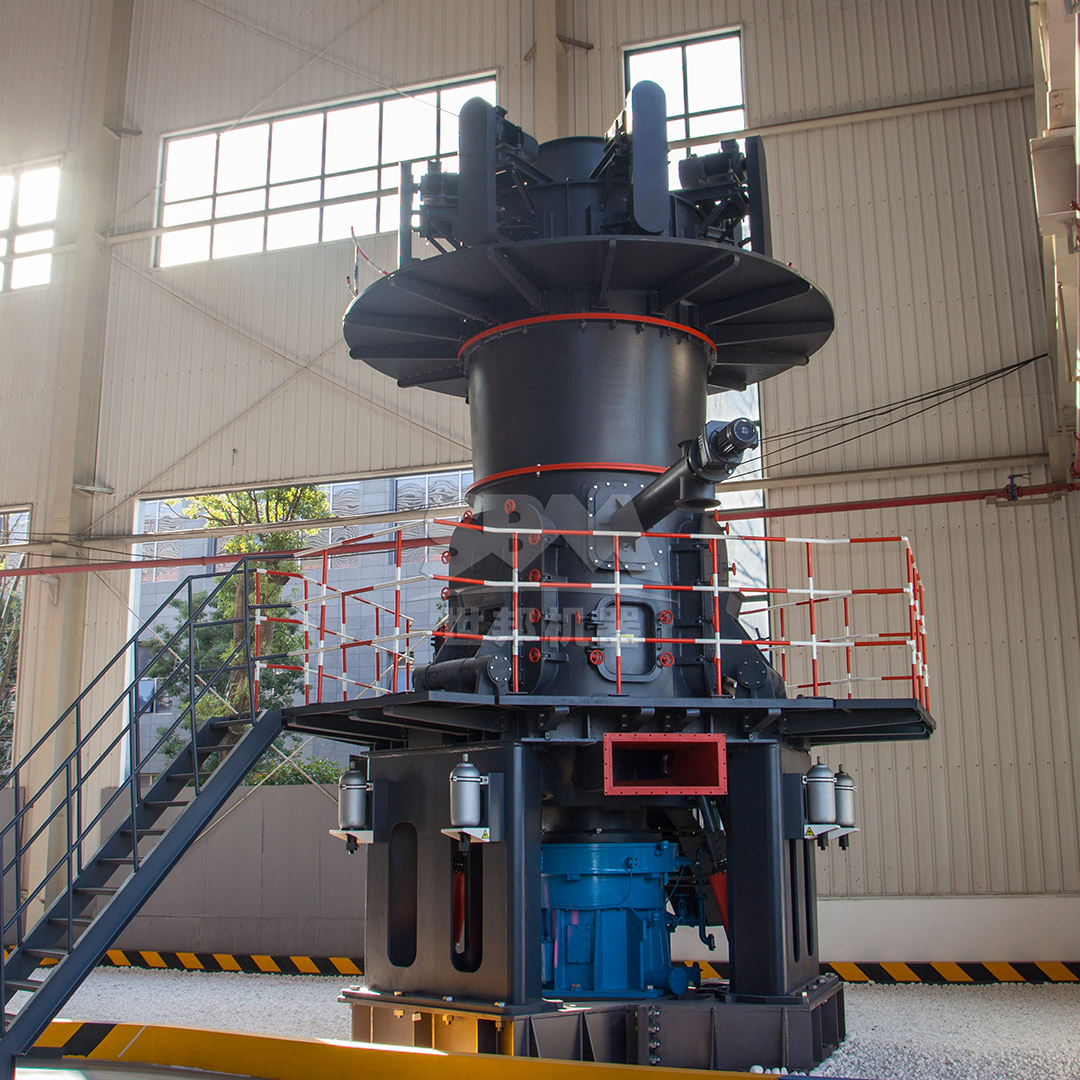
The LM vertical roller mill is a versatile solution for grinding CPC to 30–325 mesh (up to 600 mesh for special models) with capacities from 3 to 250 t/h. Key features include:
For CPC grinding, the LM series offers models such as LM130K (10–28 t/h) to LM280K (50–170 t/h), providing high capacity and reliability. The vertical roller mill is particularly effective for producing the coarse and medium fractions required for anode recipes.
| Feature | SCM Ultrafine Mill | LM Vertical Roller Mill |
|---|---|---|
| Fineness Range | 325–2500 mesh | 30–325 mesh (up to 600 mesh) |
| Capacity Range | 0.5–25 t/h | 3–250 t/h |
| Energy Consumption | 30% lower than jet mills | 30–40% lower than ball mills |
| Wear Parts Life | Extended several times | Increased by 3x |
| Footprint | Compact | 50% reduction |
| Control System | Intelligent with feedback | Expert-level auto-control |
Anode quality depends on a balanced particle size distribution. The SCM mill excels at producing fine fractions with precise top-size control, while the LM mill efficiently generates coarse and medium fractions. A combination of both may be optimal for a complete anode formulation.
CPC abrasiveness demands robust wear parts. Both SCM and LM mills feature advanced wear-resistant materials (special alloys for SCM, hard-facing for LM) and designs that minimize downtime. The LM mill’s non-contact roller-table design reduces wear and extends maintenance intervals.
With rising energy costs, efficiency is paramount. The SCM mill’s intelligent control and high-efficiency classifier reduce power consumption per ton. The LM mill’s integrated system and low-resistance airflow design further contribute to energy savings.
Dust and noise are major concerns. Both mills are equipped with advanced pulse dust collectors (efficiency >99.9%) and soundproofing. The LM mill operates under negative pressure, preventing dust leakage. These features ensure compliance with strict environmental regulations.
Modern plants require automated operation for consistency and labor savings. The SCM mill offers automatic granularity feedback, while the LM mill provides expert-level control with remote monitoring. Both can be integrated into plant-wide DCS systems.
Selecting the right grinding equipment for calcined petroleum coke is crucial for anode quality and production efficiency. The SCM Series Ultrafine Mill and LM Series Vertical Roller Mill from our portfolio offer complementary strengths: the SCM for ultra-fine grinding with precise classification, and the LM for high-capacity, energy-efficient grinding across a wide fineness range. By carefully evaluating fineness requirements, capacity, wear resistance, energy efficiency, and environmental compliance, anode producers can optimize their CPC processing lines with these reliable, high-performance mills.
For further information on model selection and system integration, please consult our technical team.