
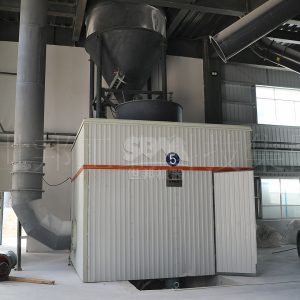
Introduction: The Critical Role of Purification in Activated Carbon Production Activated carbon is renowned for its extraordinary adsorptive capacity, driven by its highly porous structure and immense surface area. However, the journey from raw material (such as coconut shells, coal, or wood) to a high-grade, market-ready product is complex. It typically involves carbonization, activation (physical […]
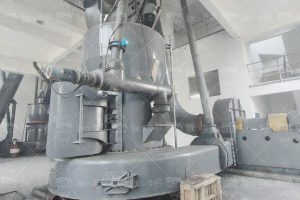
Introduction: The Green Imperative in Activated Carbon Manufacturing As global industries pivot toward carbon neutrality, the activated carbon sector faces a unique paradox: it produces filtration and purification solutions that reduce environmental impact, yet its own manufacturing processes can be energy-intensive. The grinding stage, which determines particle size distribution and pore structure accessibility, is arguably […]
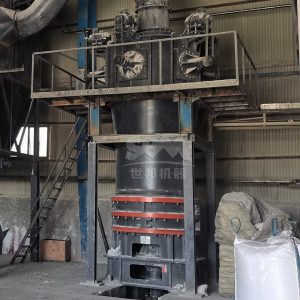
Introduction: The Critical Role of Barite in Dehydrating Agents Barite (barium sulfate, BaSO₄) has long been recognized as a vital industrial mineral, with applications ranging from oil and gas drilling fluids to high-density fillers in paints, plastics, and rubber. However, one of its most specialized and demanding applications is in the production of dehydrating agents. […]
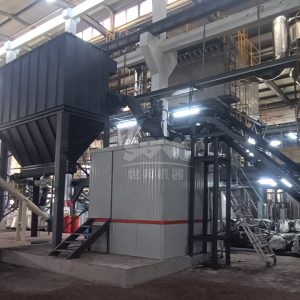
Introduction: The Critical Role of High-Purity Barite in Laboratory and Analytical Chemistry Barium sulfate (BaSO₄), commonly known as barite, is an essential inorganic compound with a remarkable range of applications. In the realm of analytical chemistry and laboratory research, the demand for high-purity BaSO₄ is particularly stringent. It serves as a primary standard for gravimetric […]
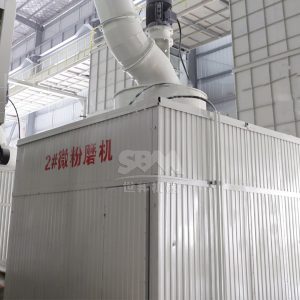
Introduction: The Strategic Importance of Barite Powder Packaging In the realm of industrial minerals, barite (barium sulfate, BaSO4) stands as a cornerstone material, primarily utilized as a weighting agent in drilling fluids for oil and gas exploration, but also pivotal in the production of paints, plastics, rubber, and radiation-shielding concrete. The economic value of barite […]
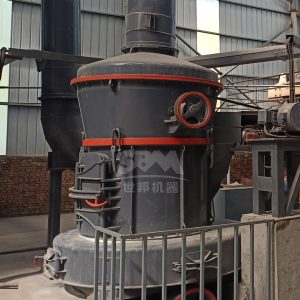
Introduction to Barite Beneficiation Barite (barium sulfate, BaSO4) is a critical industrial mineral widely used in oil and gas drilling fluids, paint, rubber, paper, and medical applications. Its high specific gravity (4.2–4.5 g/cm³) and chemical inertness make it indispensable. However, raw barite ore typically contains impurities such as quartz, calcite, dolomite, and iron oxides, necessitating […]
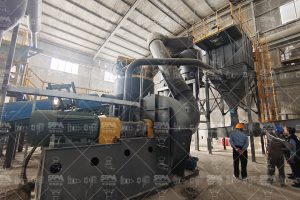
Introduction: The Critical Role of Barite in Petroleum Drilling In the demanding world of petroleum extraction, the success of drilling operations hinges on the precise formulation and maintenance of drilling fluids. Among the various weighting materials used, barite (barium sulfate, BaSO4) stands out as the industry standard. Its high specific gravity (typically 4.2 g/cm³) and […]
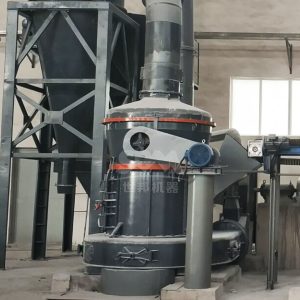
Introduction to Gypsum Processing Gypsum, a versatile mineral used extensively in the construction industry, requires a sophisticated processing line to transform raw mined rock into the fine, reactive powder known as plaster of Paris or craft plaster. The journey from quarry to finished product involves a carefully orchestrated sequence of crushing, grinding, and calcination. Each […]
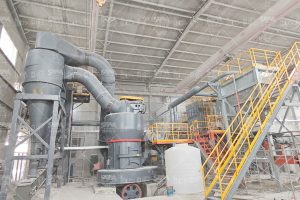
Introduction to Portland Cement Production Portland cement, the most widely used construction material globally, owes its strength and versatility to a finely tuned manufacturing process. While the pyroprocessing stage—where raw materials are transformed into clinker—often garners the most attention, the final grinding and blending stages are equally critical. It is here that cement clinker, combined […]