Metallurgical grade calcined petroleum coke (CPC) is a crucial raw material in the production of anodes for the aluminium industry, as well as in the manufacturing of graphite electrodes, titanium dioxide, and various metallurgical processes. Unlike fuel-grade coke, metallurgical coke requires strict control of impurities such as sulfur, ash, and metals, along with specific physical properties like density, porosity, and mechanical strength. To achieve these specifications, raw petroleum coke must undergo calcination at temperatures between 1200°C and 1400°C, followed by precise crushing, grinding, and classification. The equipment train for processing metallurgical grade CPC is therefore multi-stage and highly specialized. This article outlines the essential machinery required, from calcination to final product handling, and highlights how advanced milling technologies can optimize the entire process.
The first critical step is calcination, which removes volatile matter and moisture while increasing the real density of the coke. The most common equipment is a rotary kiln, typically 2–4 meters in diameter and 40–60 meters long, lined with refractory bricks. A rotary kiln is preferred for its continuous operation and uniform heat treatment. Alternatively, shaft kilns or rotary hearth furnaces can be used for smaller capacities. After calcination, the coke must be cooled rapidly to prevent oxidation. A rotary cooler or a fluidized bed cooler is employed, often integrated with waste heat recovery systems to improve energy efficiency. At this stage, the calcined coke is still in lump form, typically 0–50 mm, and requires further size reduction.
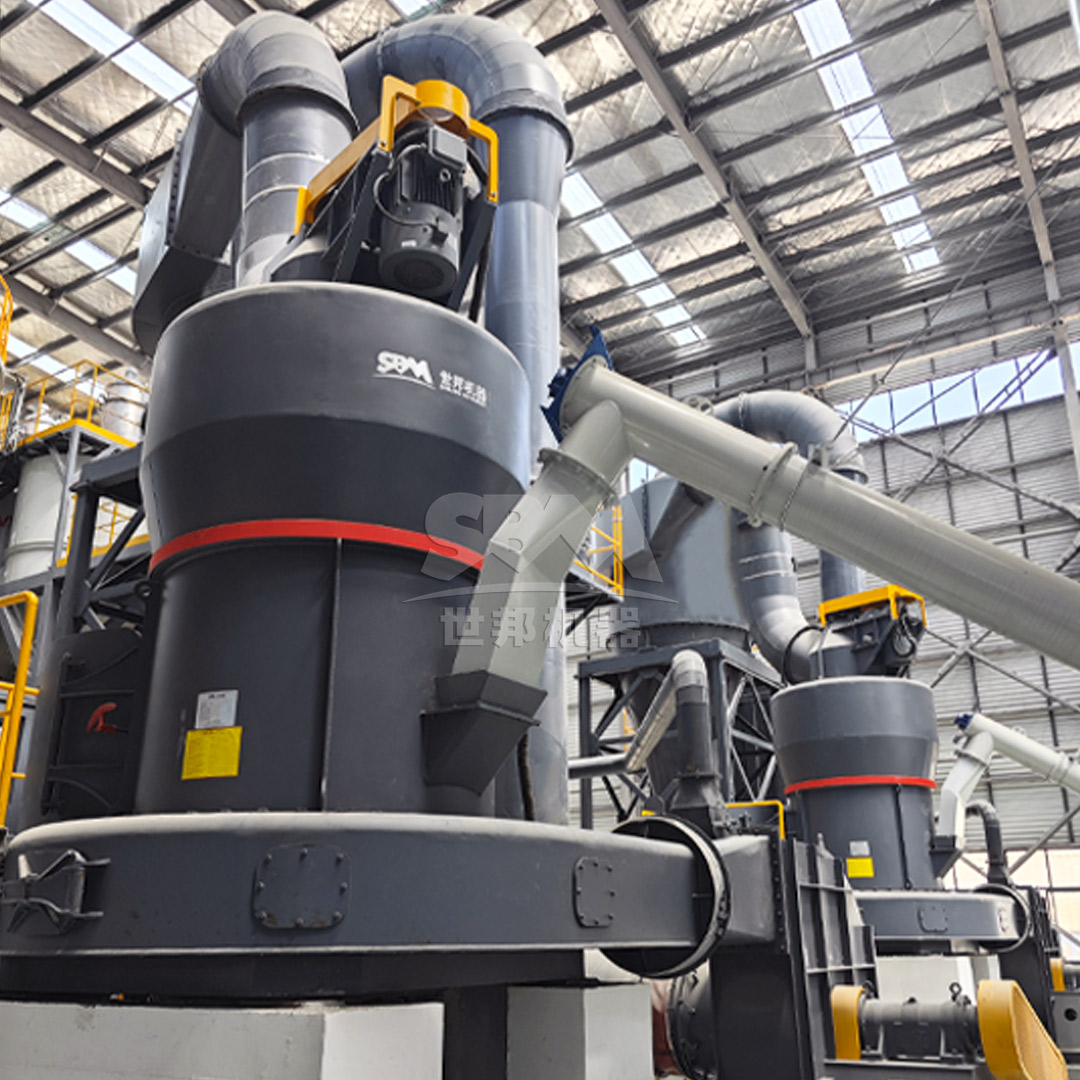
Calcined petroleum coke is hard and abrasive, with a Mohs hardness of 2.5–3.5 and a high carbon content. The crushing circuit usually begins with a jaw crusher or a hammer mill to reduce the material to below 10–20 mm. For metallurgical applications, the coke often needs to be ground to a fine powder with a typical fineness of 200–325 mesh (75–45 μm) for anode paste production, or even finer for specialty applications. Two main types of mills are commonly used: ball mills and vertical roller mills. Ball mills are traditional but energy-intensive; they produce a wide particle size distribution and require significant maintenance due to wear. In contrast, modern vertical roller mills or trapezium mills offer higher efficiency, lower energy consumption, and precise classification. For ultrafine grinding below 45 μm, an ultrafine mill such as the SCM series is recommended, achieving up to 2500 mesh with high capacity.
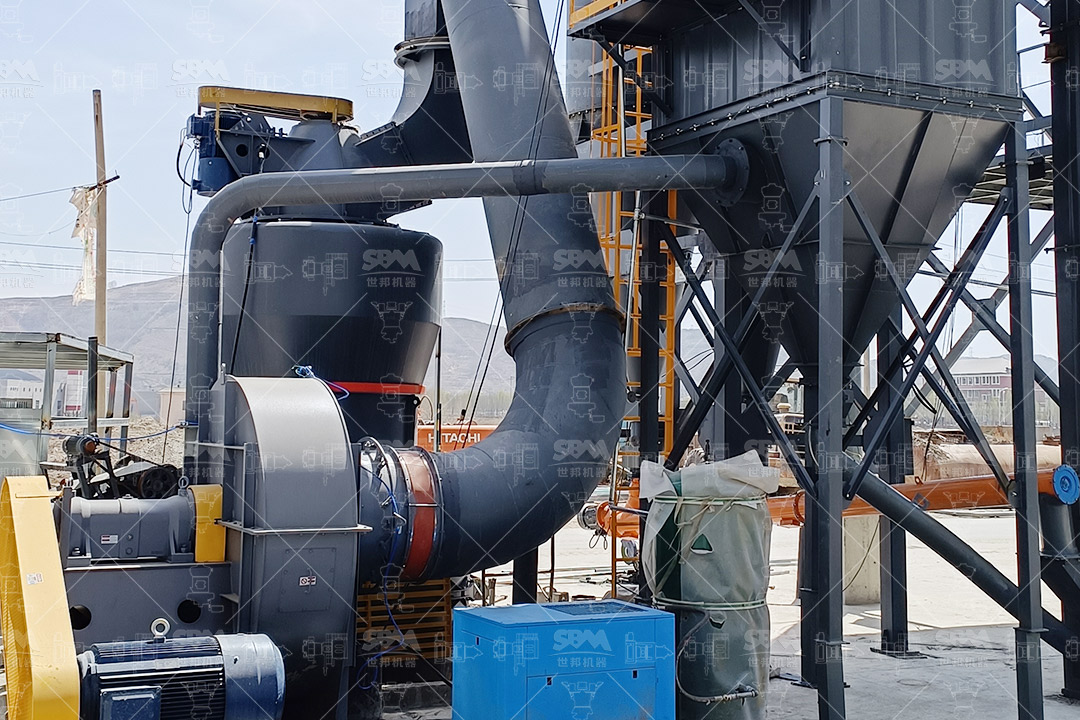
After grinding, the powder must be classified to ensure a consistent particle size distribution, which directly affects the quality of anodes. Dynamic classifiers, either integrated into the mill or standalone, are used. These classifiers use centrifugal force and air flow to separate fine from coarse particles. Coarse particles are returned to the mill for further grinding, while fines are carried to a dust collector. Pulse-jet bag filters are the industry standard for dust collection, capturing more than 99.9% of particles and meeting stringent environmental regulations. A well-designed dust collection system also recovers valuable product and maintains a clean working environment.
Because calcined petroleum coke powder is prone to segregation and moisture absorption, proper handling equipment is essential. Bucket elevators, screw conveyors, and pneumatic conveying systems are used to transport material between stages. Storage silos should be equipped with aeration pads and level indicators to prevent bridging. For metallurgical grade CPC, storage under dry conditions is critical to avoid reintroducing moisture, which can cause explosions or defects in anodes.
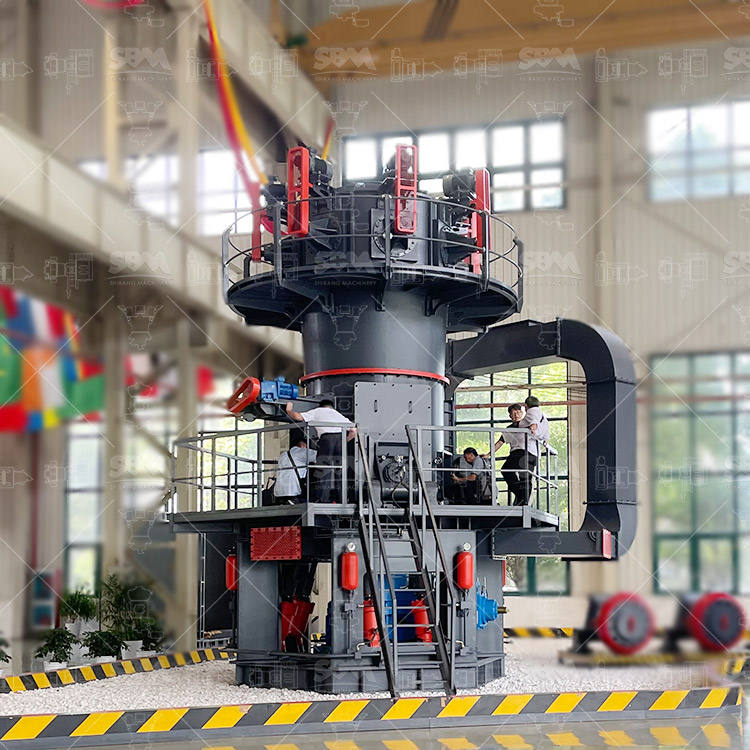
For the final grinding stage of metallurgical grade CPC, where fineness of 325–2500 mesh is required, the SCM Series Ultrafine Mill is an excellent choice. This mill features a vertical turbine classifier that ensures precise particle size cutting with no coarse powder mixing, resulting in a uniform product. Its capacity is twice that of a jet mill while consuming 30% less energy. The special material rollers and rings extend service life significantly, and the shaftless screw grinding chamber ensures stable operation. With models ranging from SCM800 (0.5–4.5 t/h) to SCM1680 (5–25 t/h), and a maximum input size of 20 mm, the SCM mill can be seamlessly integrated into a CPC processing line. Its intelligent control system with automatic finished product granularity feedback further enhances operational reliability.
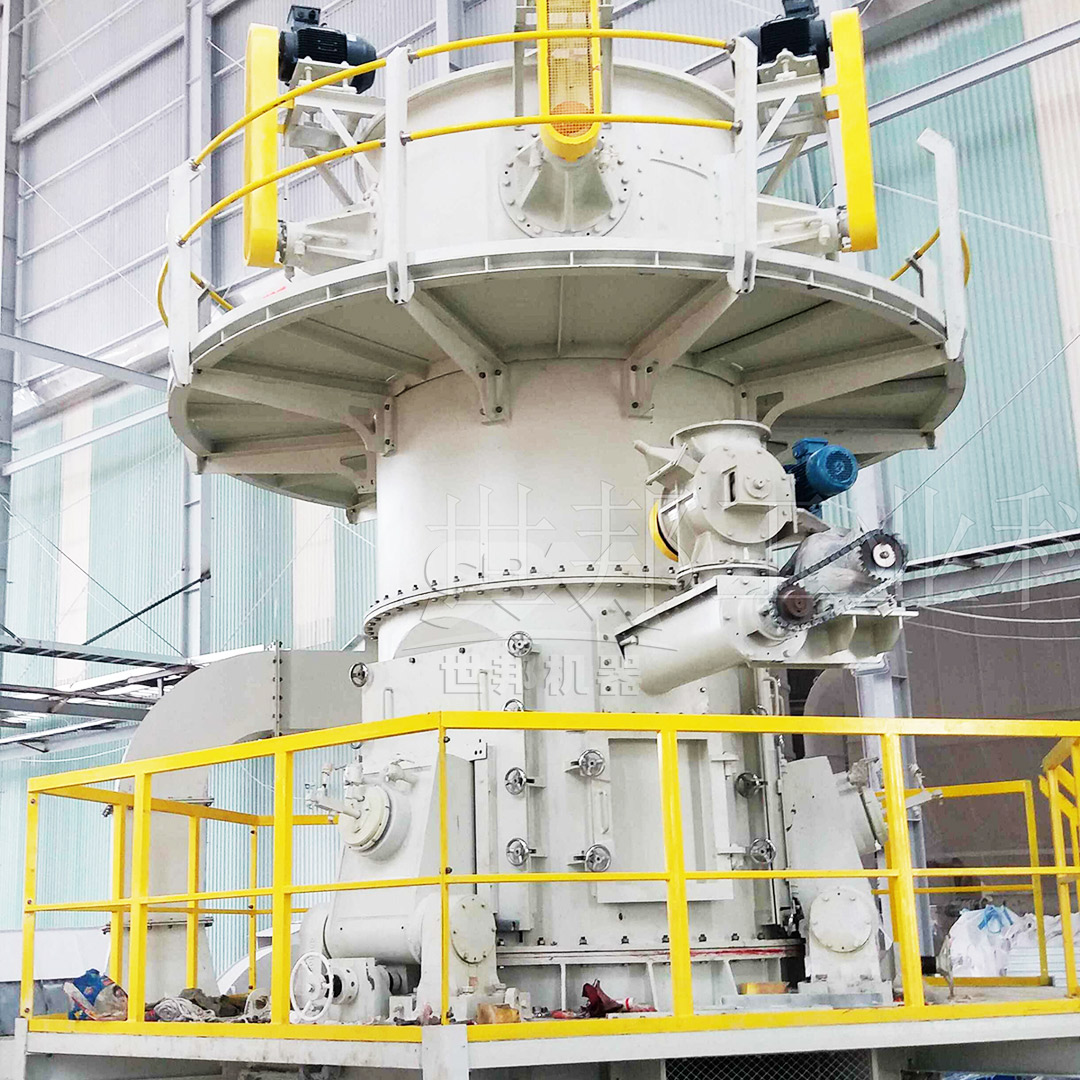
For medium-fine grinding of CPC to 30–325 mesh (down to 0.038 mm), the MTW Series European Trapezium Mill offers a robust and cost-effective solution. Its anti-wear shovel design reduces maintenance costs, while the integral bevel gear drive achieves 98% transmission efficiency. The optimized arc air duct minimizes airflow energy loss, and the wear-resistant volute structure improves air selection efficiency, reducing maintenance costs by 30%. With capacities from 3 t/h (MTW110) to 45 t/h (MTW215G) and input sizes up to 50 mm, the MTW mill is ideal for medium-scale CPC grinding plants. The patented internal suction oil lubrication system and pulse dust removal technology ensure long-term, environmentally compliant operation.
| Equipment Stage | Typical Equipment | Key Function |
|---|---|---|
| Calcination | Rotary kiln | Remove volatiles, increase density |
| Cooling | Rotary cooler | Rapid cooling, heat recovery |
| Coarse crushing | Jaw crusher / Hammer mill | Reduce lump size to <20 mm |
| Fine grinding | SCM Ultrafine Mill / MTW Trapezium Mill | Grind to 45–325 mesh or finer |
| Classification | Dynamic classifier | Ensure particle size distribution |
| Dust collection | Pulse-jet bag filter | Capture fine particles, comply with emissions |
| Handling | Bucket elevator, screw conveyor, silo | Transport and store powder |
A complete processing line also requires laboratory equipment for quality control. This includes sieve analyzers for particle size distribution, density meters, sulfur analyzers, ash content determination, and mechanical strength testers for anode cores. Online monitoring systems, such as automatic sampling and laser diffraction particle size analyzers, can be integrated to provide real-time feedback for mill adjustment. The SCM series mill’s intelligent control system can interface with such analyzers to automatically adjust classifier speed and maintain product fineness within tight tolerances.
Petroleum coke dust is combustible, and fine powders can form explosive atmospheres. Therefore, all equipment must be designed with explosion-proof motors, grounding, and spark detection systems. The dust collection system should include explosion venting and isolation valves. Additionally, noise reduction measures such as soundproof enclosures around mills and fans are necessary to meet occupational health standards. The SCM series incorporates a soundproof room design to keep noise levels low, while the MTW series offers multi-stage dust collection options to exceed national emission standards.
Processing metallurgical grade calcined petroleum coke requires a carefully selected suite of equipment: calcination kilns, coolers, crushers, fine grinding mills, classifiers, dust collectors, and material handling systems. Among these, the grinding mill is the heart of the process, determining product fineness, capacity, and energy efficiency. The SCM Series Ultrafine Mill and the MTW Series European Trapezium Mill from our company are engineered to meet the demanding requirements of CPC processing, offering high efficiency, precise classification, durable design, and environmental compliance. By integrating these advanced mills with reliable auxiliary equipment, producers can achieve consistent metallurgical grade coke powder suitable for the most stringent anode and electrode applications.