
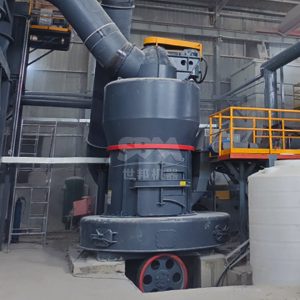
Introduction Activated carbon is a cornerstone material in modern water treatment, prized for its exceptional adsorption capacity, extensive surface area, and chemical stability. Its efficacy in removing organic contaminants, chlorine, taste and odor compounds, and certain heavy metals is unparalleled. The performance of activated carbon, however, is intrinsically linked to its physical properties—primarily particle size […]
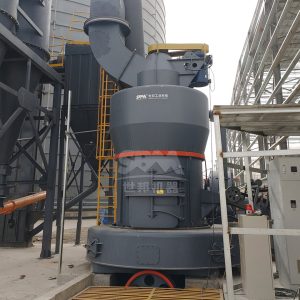
Introduction Activated carbon powder, with its vast surface area and exceptional adsorption properties, is a critical material in industries ranging from water purification and air filtration to pharmaceuticals and food processing. Achieving the target fineness of 325 mesh (approximately 44 microns) is paramount, as it directly influences the adsorption kinetics, surface area availability, and overall […]
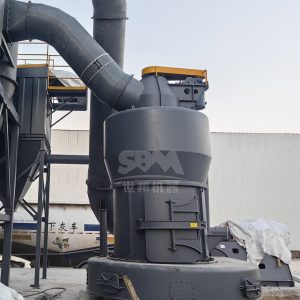
Introduction Activated carbon powder, particularly at the widely used 200 mesh (approximately 75 microns) fineness, is a cornerstone material in modern filtration, purification, and catalysis. Producing this specific grade efficiently and consistently requires specialized grinding technology. This comprehensive guide delves into the process, equipment selection, and cost considerations for producing 200 mesh activated carbon powder, […]

Introduction The production of high-quality talc powder for daily-use products—such as cosmetics, pharmaceuticals, food additives, and plastics—demands precision, consistency, and efficiency. Talc, a soft mineral composed of hydrated magnesium silicate, requires careful processing to achieve the desired fineness, whiteness, and chemical purity. The cornerstone of this process is the grinding mill. Selecting the appropriate mill […]
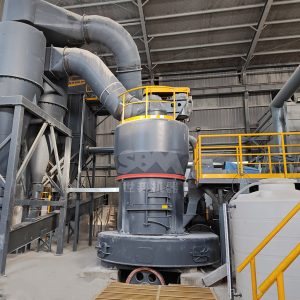
Introduction The production of high-purity, chemical-grade talc powder demands a sophisticated and precise approach to grinding and classification. Talc, a hydrated magnesium silicate, finds extensive use in plastics, paints, coatings, pharmaceuticals, and cosmetics, where its properties—such as brightness, chemical inertness, and lamellar structure—are critical. Achieving the required fineness (often ranging from 325 mesh to 2500 […]
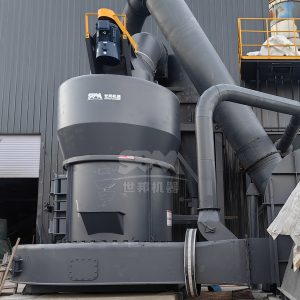
Introduction The production of high-quality talc powder for the building materials industry is a sophisticated process that demands precision, efficiency, and strict control over particle size distribution and purity. Talc, valued for its platy structure, softness, and chemical inertness, is a key functional filler in products like plastics, paints, sealants, and roofing materials. Achieving the […]
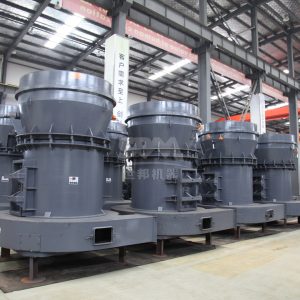
Introduction: The Critical Role of Talc in Cosmetics The cosmetics industry relies heavily on high-quality mineral additives to achieve desired product characteristics such as texture, opacity, spreadability, and oil absorption. Talc, a hydrated magnesium silicate, stands as one of the most pivotal ingredients in this category. Its natural softness, lubricity, and ability to provide a […]
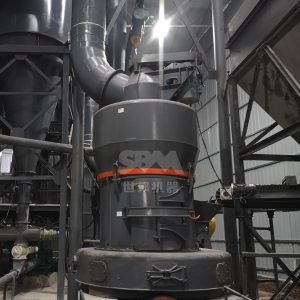
Introduction: The Critical Role of Talc in Textile Manufacturing The textile industry relies on a range of auxiliary chemicals and minerals to ensure smooth, efficient, and high-quality production. Among these, talc stands out as a premier lubricant and finishing agent. Its unique lamellar structure, softness, and chemical inertness make it ideal for reducing friction between […]
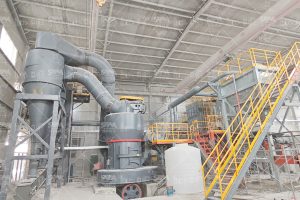
Introduction The paper industry relies heavily on functional minerals to enhance product quality, and talc stands out as a critical component for both coating and filling applications. Its platy structure improves smoothness, opacity, ink receptivity, and reduces porosity. However, the efficacy of talc is intrinsically linked to its particle size distribution, morphology, and brightness, all […]